Free on-site estimatesServing Austin, Dallas, Houston, Fort Worth & San AntonioContact our fence specialists

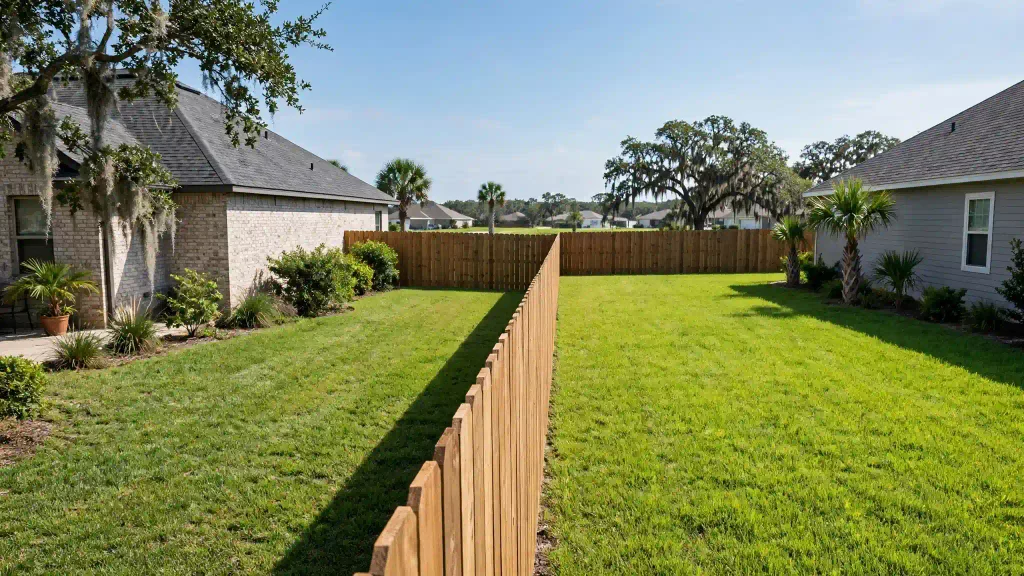
A property line fence can save yard space for both neighbors. It can also turn into a dispute if it lands a few inches off, and it can complicate a home sale years later. This guide covers Texas law, fence on property line rules, and permit steps, with extra detail for Texas City and the Gulf Coast.
The short version: can a fence be put on the property line? Yes, but only after a survey confirms where it is and your neighbor agrees in writing. If either one is missing, build just inside your own line.
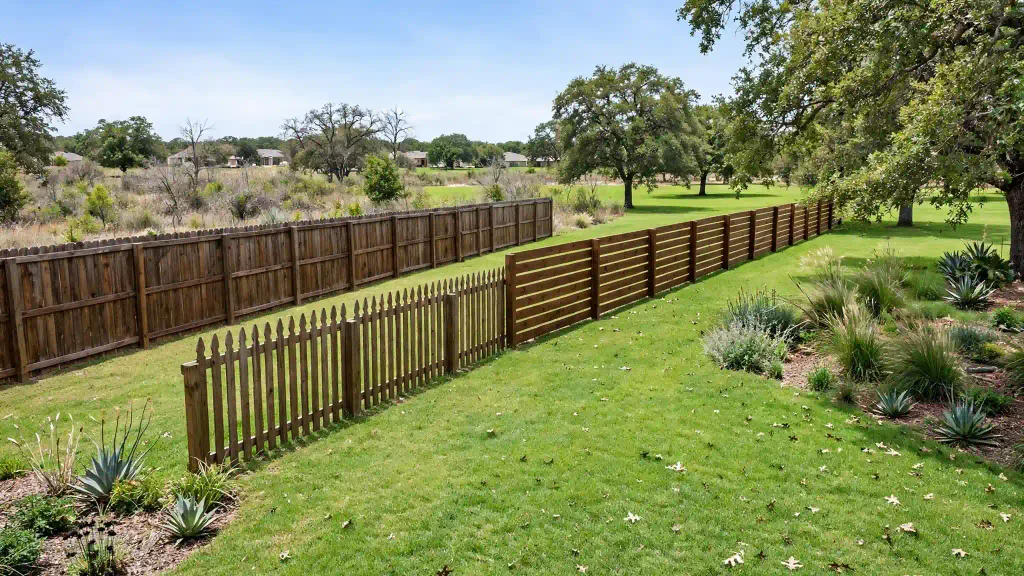
Best Three Options at First View
| Option | Who owns it | Who pays | Main risk |
|---|---|---|---|
| On the line | Whatever your written agreement says | Whatever you agree | Repairs can stall in a disagreement |
| Just inside your line | You | You | You lose a thin strip of yard |
| Good neighbor fence | Shared, if you agree in writing | Split as agreed | Needs joint care and clear paperwork |
What Is a Property Line Fence?
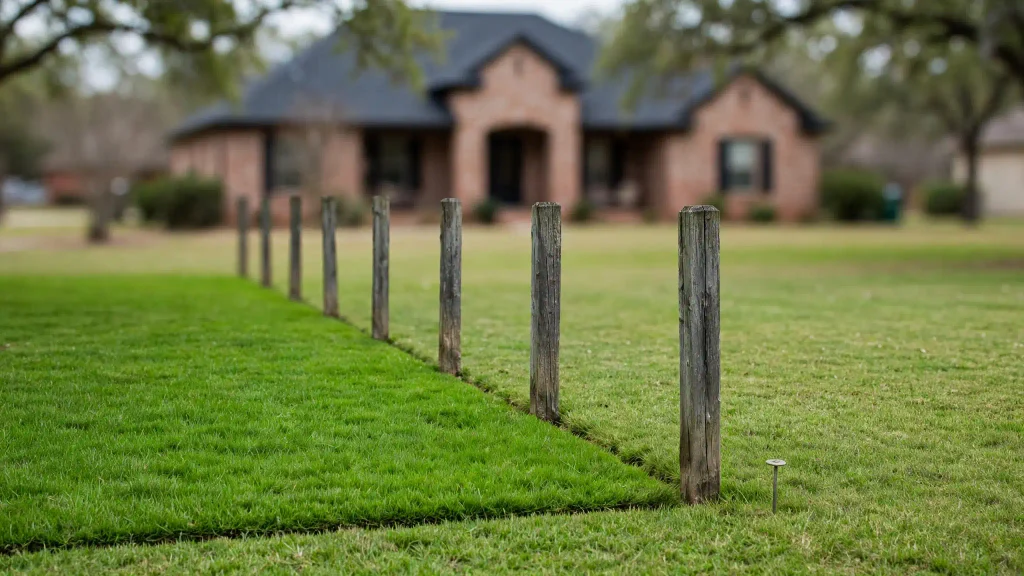
A fence on the property line sits on the legal edge between your lot and your neighbor’s lot. That edge comes from your deed and the plat filed with the county, and it isn’t always where the old fence stands. Build even a few inches past it and the fence sits on land that isn’t yours.
Texas Law: Fence on Property Line Rules
Texas has no statewide statute on a property line fence, and nothing forces neighbors to split the cost. The Texas State Law Library explains that you generally owe nothing toward a neighbor’s fence on the shared line unless you agreed to pay. If you agree to share costs, that promise can be enforced, so get it in writing.
Your city and your homeowners association (HOA) set most of the practical rules, including height, placement, and materials.
Your Duties as a Fence Owner
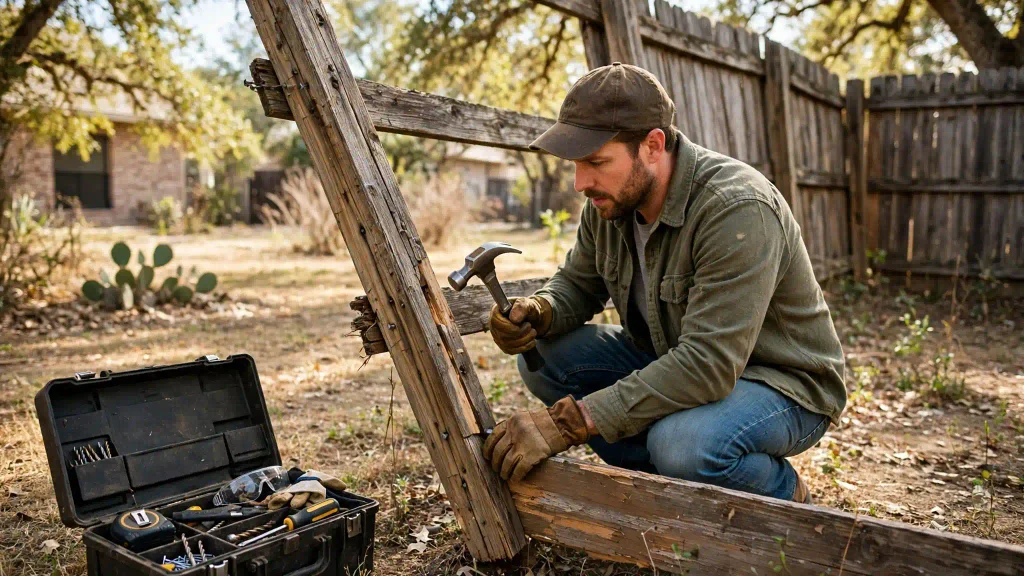
Build only where your survey allows and keep your property line fence in safe shape. Texas City’s code bars fences built or kept up with damaged, deteriorated, or unsafe materials, so fix rotting boards, leaning posts, and sagging gates early. If your fence falls and damages your neighbor’s property, you may have to pay for the repairs.
How to Find Your Exact Property Line
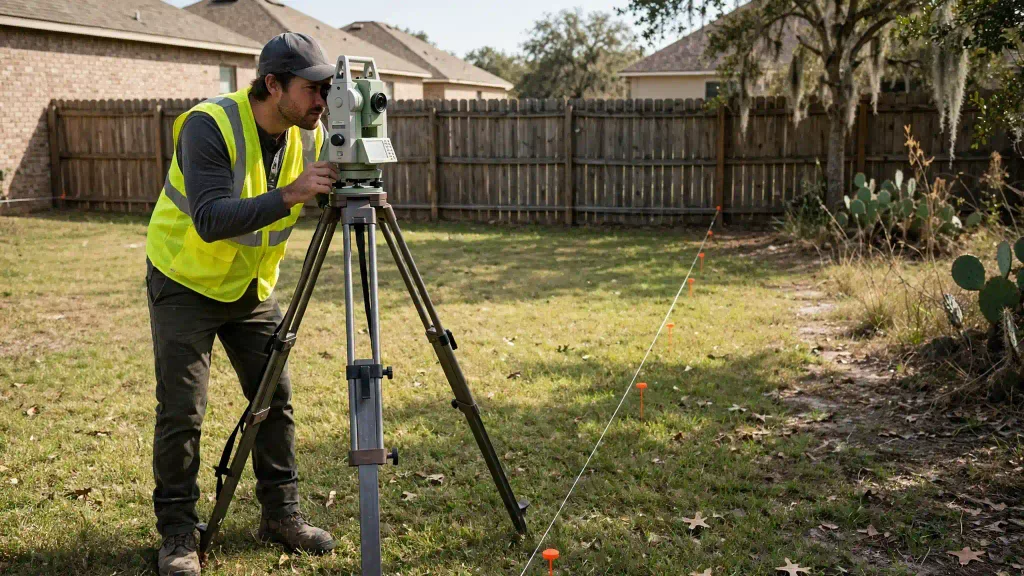
Start with the records you already have, then confirm the line with a licensed boundary survey.
Your Deed and Plat
Your deed and the plat for your lot list the lot lines, widths, and depths, which show where a property line fence can legally go. They’re the first place to look, though they won’t show you where the corners sit on the ground.
County Maps and GIS
Your county appraisal district runs an online map with an estimated line. Treat it as a rough guide, since it won’t hold up as proof in a dispute.
When Only a Boundary Survey Will Do
A licensed surveyor finds the pins and marks the true line for your property line fence. If the pins are lost, order a new survey instead of leaning on an old one, and do it before you build.
Talk to Your Neighbor and Put It in Writing

Talk to your neighbor about the property line fence before you buy materials or dig.. Bring the survey and your plan, including the height, style, material, and work dates. Once you agree, put the deal on paper and have both sides sign it.
What to Agree in Writing
Settle who pays for the property line fence build, the upkeep, and storm damage. Decide which side faces out, how repair crews get access, and what happens if either home sells. Keep a signed copy. Texas Property Code §12.001 requires notarized signatures before the county clerk will record an agreement, so ask a real estate attorney about recording yours to bind future owners.
Fence on the Property Line or Just Inside?
On the Line
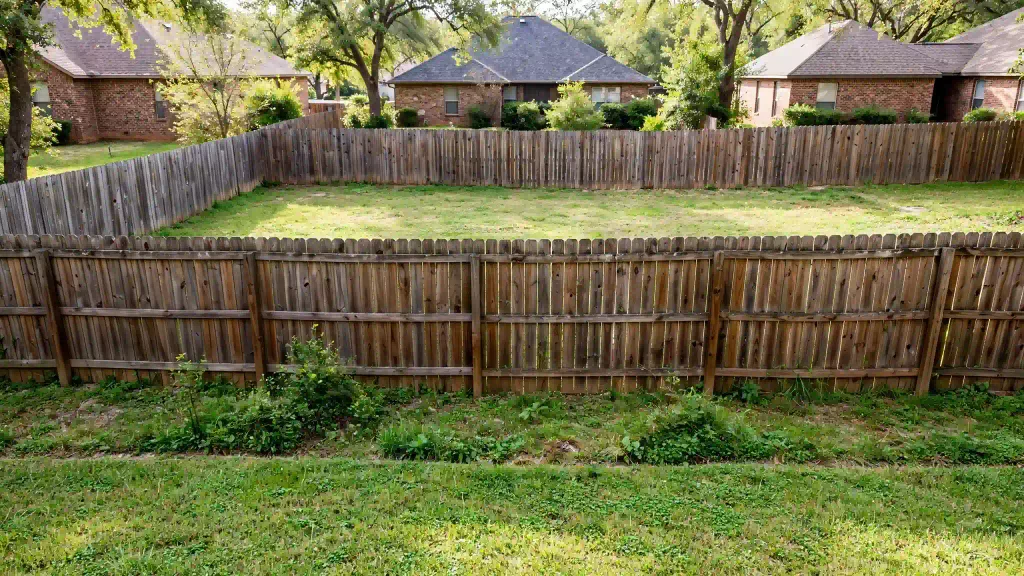
A property line fence uses both lots, so neither side gives up yard. Ownership and repair duties depend on your agreement, and if a neighbor blocks access, repairs can stall.
Just Inside Your Line
A fence just inside your line sits fully on your land. You own it, pay for it, and pick the style, and you can repair it without asking anyone for access. The trade-off is a thin strip of lost yard.
A Shared Good Neighbor Fence
A good neighbor fence is a shared style of property line fence that looks the same on both sides. Because it sits on the line and owners typically share the cost, put the split and repair duties in a signed agreement.
Steps to Build a Property Line Fence
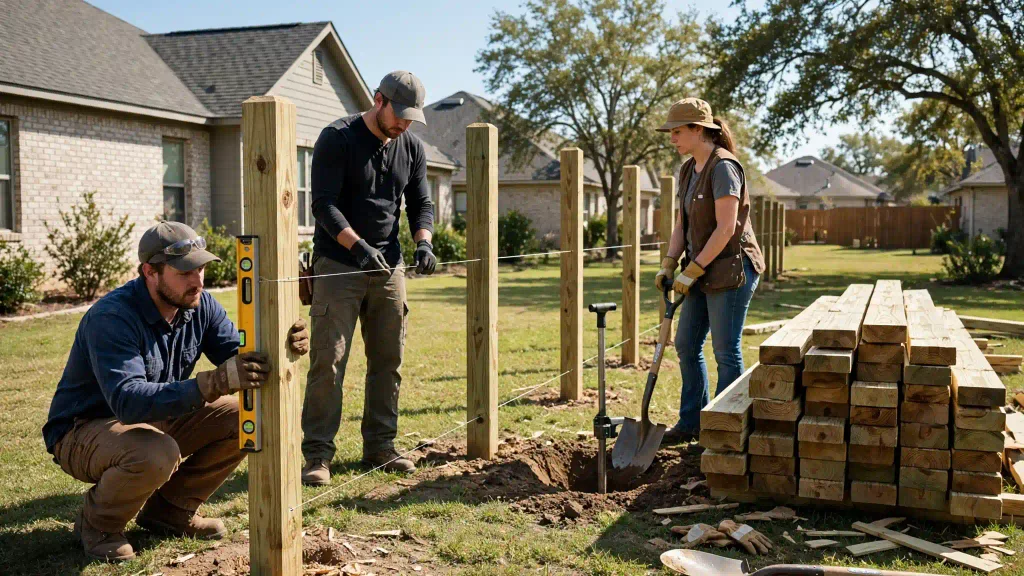
Follow these steps in order:
- Find the line. Order a boundary survey.
- Agree on the plan. Sign the design and cost split with your neighbor.
- Check the rules. Confirm city and HOA requirements and get your permit.
- Call 811. Request a free locate at least two business days before you dig, not counting weekends and holidays.
- Set the posts. Place them on the surveyed line.
- Finish and inspect. Build the panels and gate, then walk the line and check the work.
Fence Height, Style, and Materials
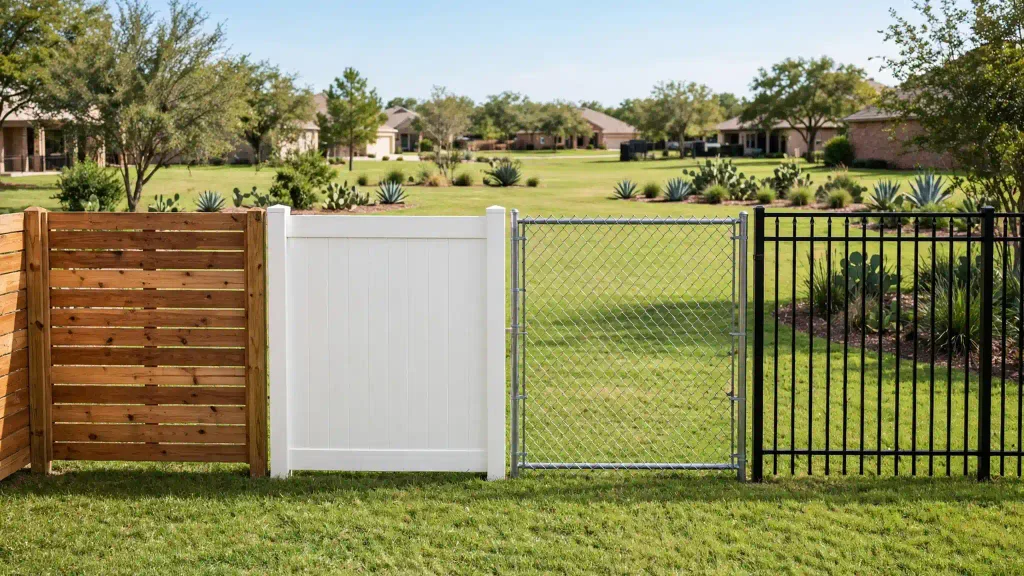
Pick a height for your property line fence that gives you privacy but stays within local law. Many Texas cities cap rear and side fences at around 8 feet and set much lower limits up front, so check yours first.
- Wood: Looks warm but needs stain and care.
- Vinyl: Needs little care but can crack in heat.
- Chain link: Strong and low cost but gives less privacy.
- Iron: Looks sharp but needs care to prevent rust.
Texas City’s permit guide lists wood, wrought iron, and chain link as acceptable types, so ask the Building Official before you choose vinyl or anything else. The city also bans some materials, including used or recycled materials, chicken wire, plywood, corrugated metal panels, and fiberglass panels.
Who Pays and Who Maintains the Fence?
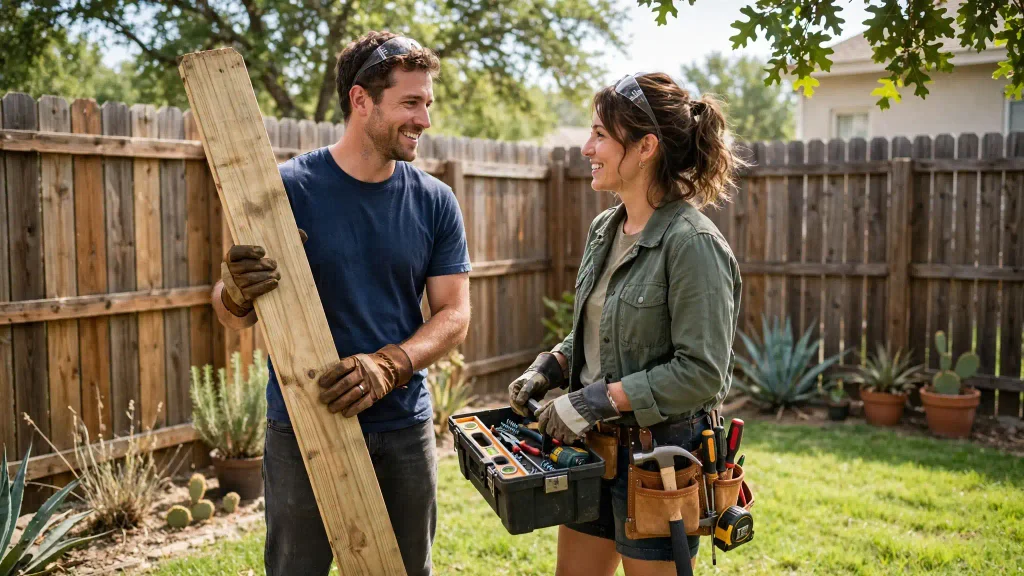
Your written agreement decides, because Texas law doesn’t set a split for a property line fence. If the fence sits fully on your land, you pay for it and maintain it. If it’s on the line and shared, agree on the split before work starts. If your neighbor won’t pay, you’ll likely carry the full cost and upkeep yourself, so skip the shared fence and build just inside your own line.
Texas City and Gulf Coast Rules
Height, Permits, and Placement in Texas City
Texas City requires a permit to install a new property line fence, add to or move an existing one, or change its height or material. A repair that keeps the same location, height, and material doesn’t need one. Your application needs a property survey stamped within the last 10 years. If you pull the permit yourself as an owner-occupant, you must register as a homeowner first with proof of a homestead exemption and a driver’s license copy; otherwise, a city-registered fence contractor must pull it. Residential permits aren’t issued for vacant lots unless replatted with the lot holding the main house. Confirm the details in the city’s residential fence permit guide before you apply.
These are the limits that matter most:
| Rule | Texas City limit |
|---|---|
| Rear yard height | 8 feet maximum |
| Side yard height | 8 feet maximum |
| Front yard, solid (opaque) fence | 30 inches maximum |
| Front yard, open fence with openings wider than 2¼ inches | 48 inches maximum |
| Distance from a sidewalk | At least 18 inches if the sidewalk is 4 feet wide or less |
| Distance from the street edge or curb | No closer than 66 inches |
| Corner lots | Keep a clear view for 35 feet in each direction from the corner; street-facing side yards also follow front-yard height and setback rules unless the city grants an exception |
A rear or side property line fence also can’t extend past the property line shown on your survey. Fences that face the street or open space must have the smooth side out, with the rails toward your yard. Fences that run to the front property line follow a sloped height limit, rising from 30 inches above walk grade at the property line to 6 feet at the front-yard setback line, so confirm the setback depth for your lot with the city before you buy materials. See our Texas City fence laws guide for more.
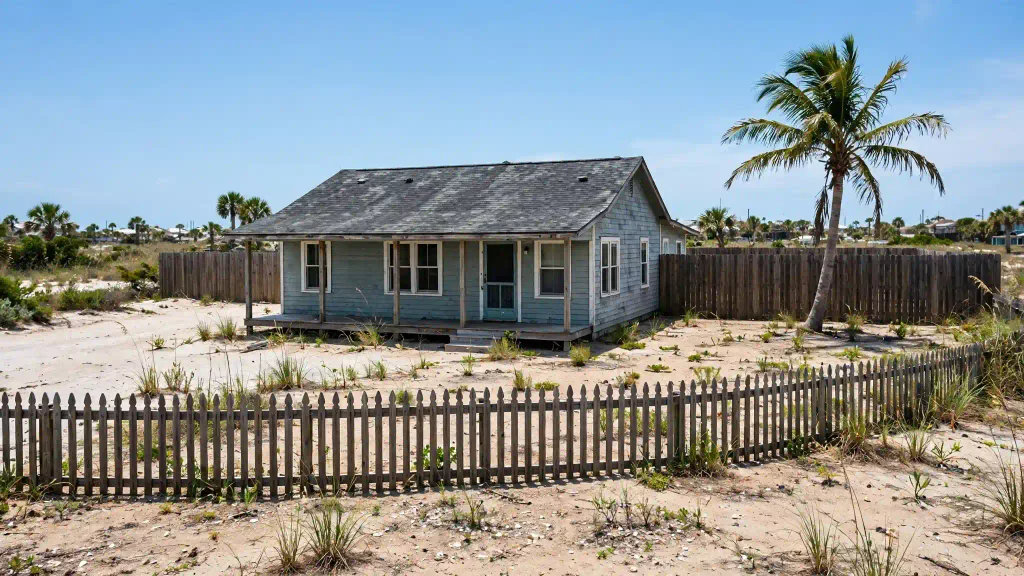
Soil, Wind, and Salt Air Near the Coast
Gulf Coast soil is often sand or clay that can shift, so a property line fence needs deep post footings, and wind can take down weak panels. Salt air also speeds up rust and rot, so choose coated or treated materials with hot-dipped galvanized or stainless-steel fasteners. Coastal windstorm insurance often limits or excludes fence coverage, so a written storm-damage agreement with your neighbor matters even more here.
Easements, Texas811, and HOA Rules
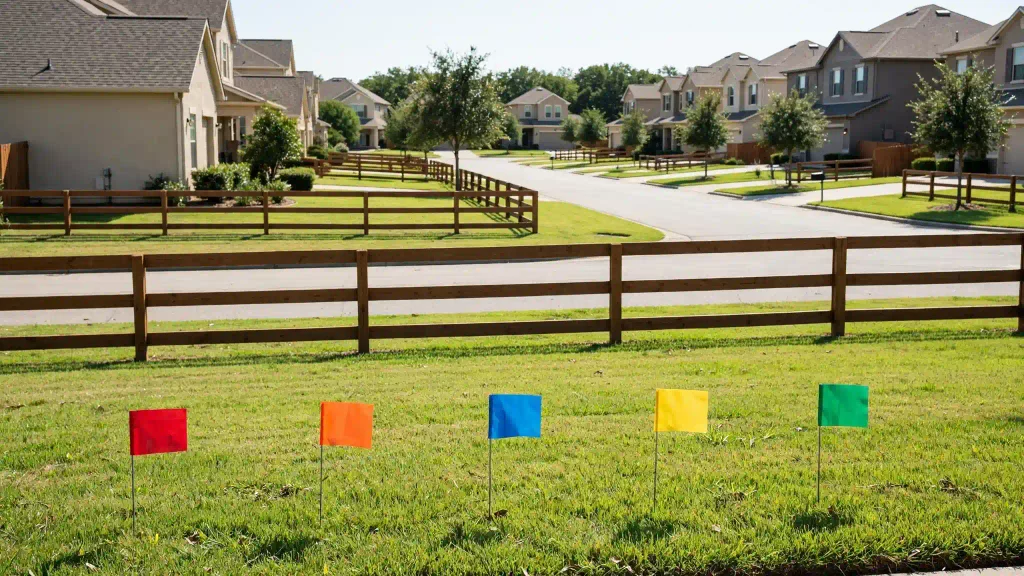
An easement is a strip where a utility or the city has a right to work or drain stormwater. Never block water flow in a drainage easement, and crews may remove fence sections built in a utility easement at your expense. Before you dig for a property line fence, request a free locate through Texas811 or call 811. Texas law requires the request at least two business days ahead, weekends and holidays excluded, and it applies to homeowners too. The locate marks public gas, water, and power lines only, so check for private lines like sprinklers or pool plumbing yourself. If you hire a contractor, the contractor makes the request, but ask for the ticket number.
If you live in an HOA, read its rules and get approval in writing. Under Texas Property Code §202.023, an HOA generally can’t stop you from installing a perimeter fence as a security measure, but it can still regulate the type of fence. The law has exceptions: an HOA can still bar fences in front of the front-most building line (when backed by deed restrictions), prohibit fences that block sidewalks, drainage easements, or license areas, and require a 10-foot driveway gate setback, so don’t assume it covers your lot.
What If You Cannot Agree With Your Neighbor?
If talks stall, stick to facts instead of feelings. It also helps to understand adverse possession before a dispute drags on.
Talk First, Survey Second, Mediation Third, Court Last
Start with a calm conversation. If the line is in doubt, order a fresh survey next so everyone sees the same facts, and bring in a mediator if you still cannot agree. When the fence is already over the line, get legal help. Court is the last step, and it costs time and money, so keep notes and photos the whole way.
Adverse Possession and Your Fence
In Texas, the default “bare possession” period to claim land without a recorded deed or tax payments is 10 years under Civil Practice and Remedies Code §16.026; shorter 3- and 5-year periods can apply when a claimant holds a recorded deed and pays taxes. The possession must be actual, visible, exclusive, peaceable, continuous, and “hostile,” meaning an unmistakable claim of ownership, since routine yard care or a mutual mistake over a lot line usually isn’t enough. A fence generally supports a claim only if it was built to “designedly enclose” the land rather than standing as an older “casual” fence, so talk to a real estate attorney before you make or fight a claim.
Frequently Asked Questions
Can I build a fence exactly on the property line?
Yes, once a survey confirms the exact line. A fence on the property line affects both lots, though, so get your neighbor’s written agreement on cost, style, and repairs first.
Do I need my neighbor’s permission to build on the line?
Yes, if the fence will sit on the line. A fence centered on the line takes up a strip of your neighbor’s land too, and cost, style, and access are easy to disagree about. No Texas law makes a neighbor say yes or split the cost, so a signed agreement protects you both.
Who pays if we share a fence?
You and your neighbor decide, because Texas has no automatic 50/50 rule. Put the split, repair duties, and storm damage costs in one signed document.
What if my fence is a few inches onto my neighbor’s land?
You may have to move it at your own cost, or it can trigger title and survey objections when either home is sold. Order a boundary survey first to see how far over the line it sits, then talk with your neighbor. If your neighbor is willing to let it stay until it needs replacement, a real estate attorney can draft a signed permissive-use or encroachment agreement, which avoids tearing it down and blocks adverse possession claims. If you cannot agree, consider mediation or legal counsel.
Do I need a survey to build a fence in Texas City?
For a new fence, yes. Texas City asks for a survey stamped within the last 10 years with your permit application, and the code says no part of a single-lot fence may sit outside the property line shown by that survey (if you plan to center a shared fence on the line, ask the Texas City Building Official what joint permit authorization is required). In other Texas cities, ask the building department what it requires.
Does Texas City require a permit for a new fence?
Yes. You need a permit to install a new fence, add to or move an existing one, or change its height or material. Repairs that keep the same location, height, and material don’t need one.
In a Nutshell
With a property line fence, survey first, agree on the cost in writing, and build just inside your own line unless you both choose to share. Then check city and HOA rules, get your Texas City permit, and call 811 before you dig.
For a free estimate, call Fence Repair Texas at (972) 525-9448, or see our fence repair services.