Free on-site estimatesServing Austin, Dallas, Houston, Fort Worth & San AntonioContact our fence specialists

Fence Repair Austin, TX: Local Repair and Installation Services
Austin’s clay soil and sudden storms are tough on any fence, and a leaning post or a sagging gate rarely fixes itself. Our team finds the real cause, repairs it properly, and builds a new fence when repair is no longer worth it.
We work on wood, vinyl, chain link, and iron fences for homes and businesses in Austin. You get a free estimate before anything starts, so the price never catches you off guard.
Free on-site estimates
Every job starts with a free on-site estimate. Guessing what a repair will cost is no fun for anyone. We come to your place, look at the damage ourselves, and explain what you can do next.
Storm Damage Goes First
We try to fit storm-damaged fences in early, though it depends on how busy our week is. Storms in Austin move in fast and leave a mess behind.
Wood Fence Repair
Vinyl Fence Repair
Chain Link Fence Repair
Iron & Aluminum Fence Repair
Gates Repair
Repairs
Fence Repair Services in Austin
Between Austin’s shifting clay soil, intense summer sun, limestone-heavy ground, and sudden spring storms, fences here face plenty of wear. We know how these local conditions affect posts, boards, and gates, and how to fix them properly.
Every repair includes a 1-year workmanship warranty, 5 years of free follow-up inspections, and a free fix if the exact same problem returns. We are fully licensed and insured, use heavy-duty hardware, and clean up every nail and scrap before leaving your yard. You never pay twice for the same repair.
Fixing Leaning Posts & Panels
A post usually leans because the soil moved or the concrete around its base got weak. We start by checking the fence on both sides of the post. What we find tells us how to fix it.
Replacing Rotted or Broken Boards
Boards start with small cracks. Then they get soft, and one day they snap. We pull out the bad boards and rails and put in new ones, so the fence feels tight again.
Storm & Wind Damage Restoration
One hard gust can snap a post in half, rip off panels, or lay a whole section flat on your lawn. We walk the whole area first, so nothing gets missed.
Gate Realignment & Hinge Repair
A gate dragging through the dirt is annoying, and one that won’t latch is worse. We tighten the hinges, hang the gate straight again, and find out why it keeps catching.
Rust Treatment & Metal Joint Fixes
Rain and damp air are hard on metal fences. Rust tends to show up first and, before long, it starts to damage the joints. We check the joints and repair the parts that rust has hurt.
Cracked & Warped Vinyl Replacement
Honestly, vinyl doesn’t love an Austin summer. Panels crack, bend, or pop out of the posts. We check how bad it is and replace the pieces that failed.
Here’s what we promise. We look at your fence, tell you what’s wrong, and give you a clear price before we begin. No guessing games.
Our work by the numbers
Straight Answers, Clear Pricing
5
Fence materials and service types covered
$150+
Reference starting point for a simple panel or hardware repair
1–2 days
Typical time range for some post and footing repairs
Same day
Possible for simple board or hinge repairs
Installation
Fence Installation Services in Austin
Some fences have simply reached the end of their life. Patching them again and again wastes your money. Others want a fresh look for their home or business, and that is a good reason to start over.
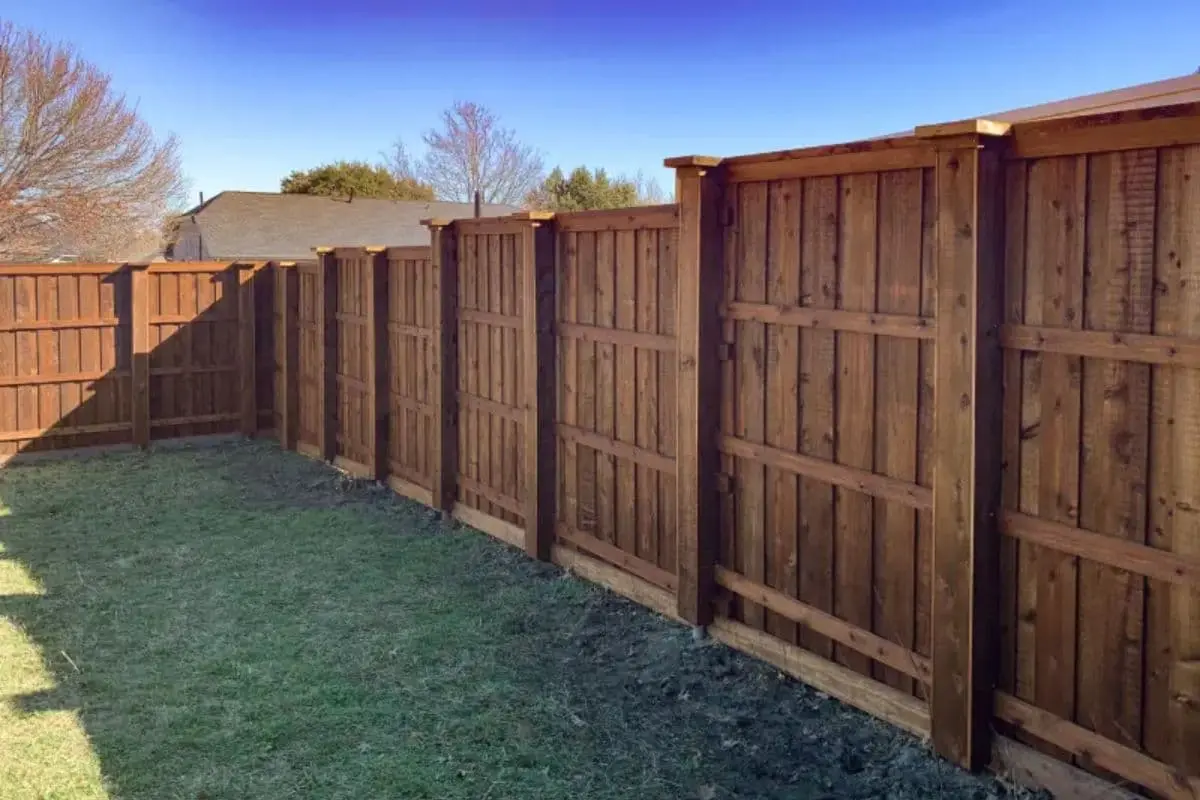
Wood Fencing
You can choose cedar or pine, in privacy or picket styles. Wood has a natural look, and it fits in well on lots of Austin streets.
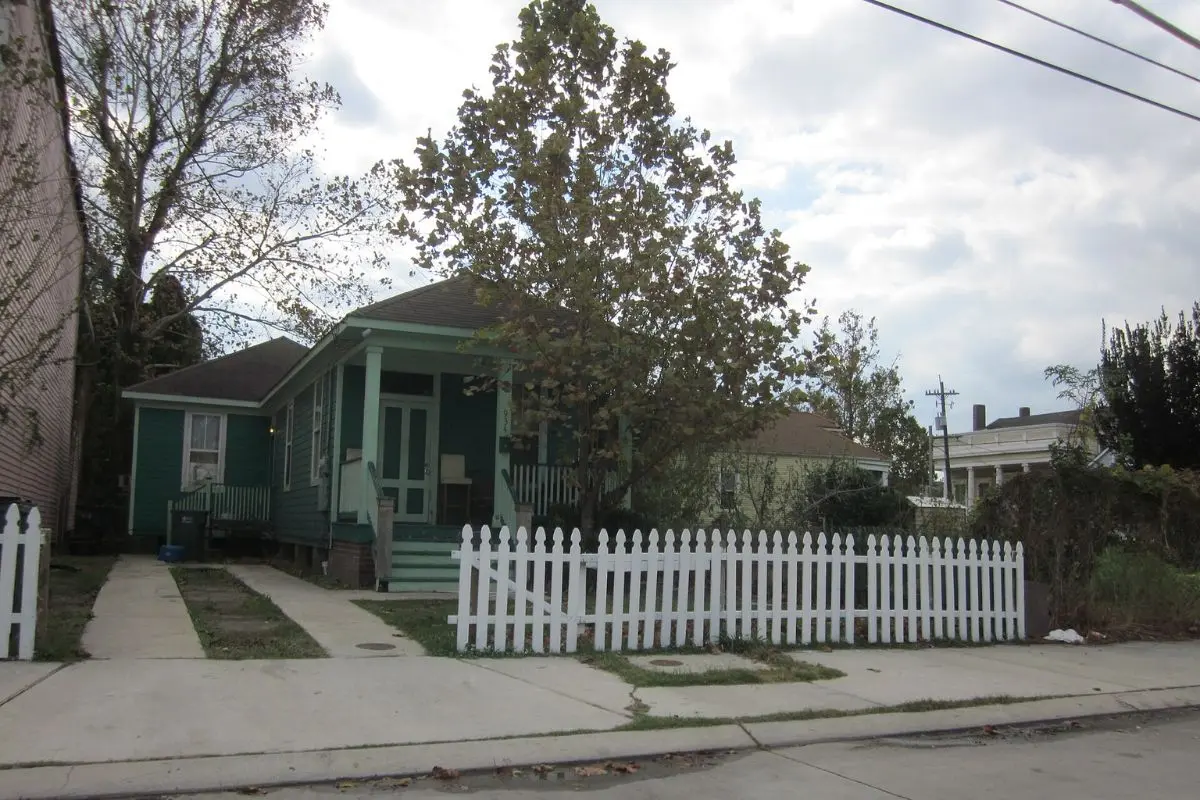
Vinyl Fencing
A quick wipe and it’s clean. Vinyl won’t rot the way wood does, so it’s a smart pick if you’d rather spend your weekends on something else.
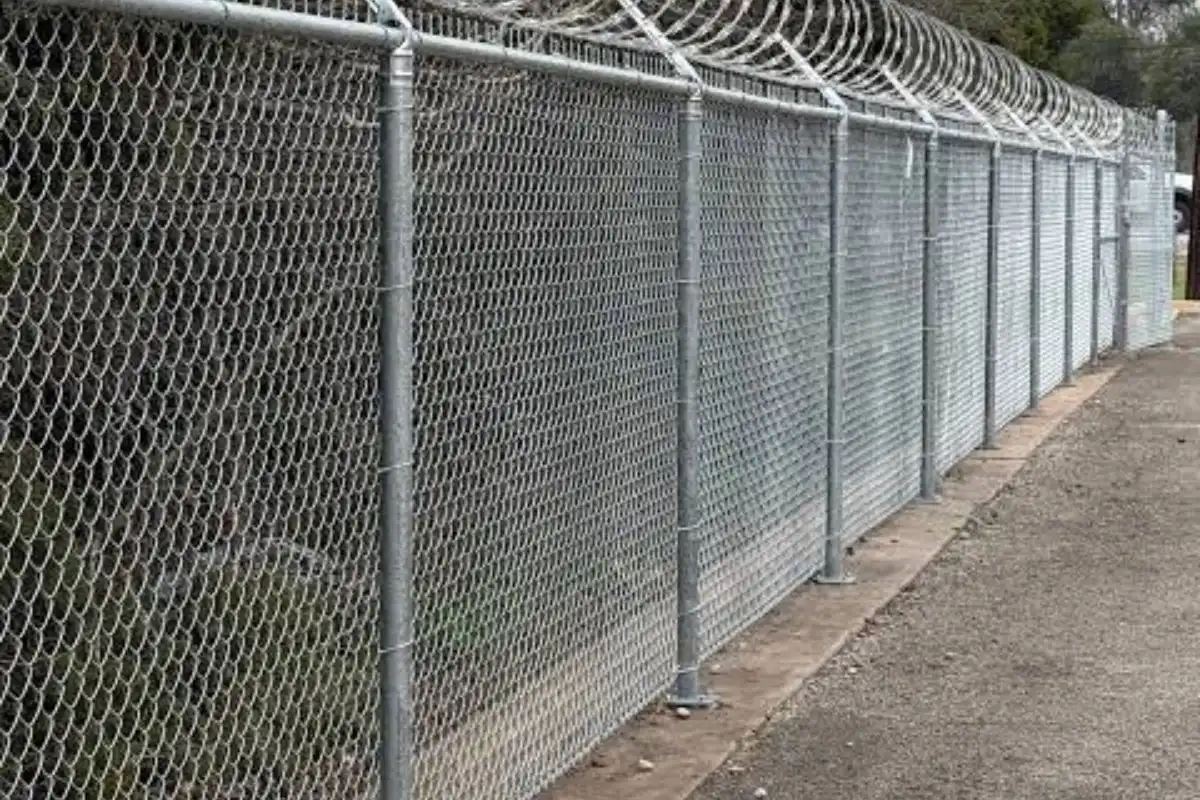
Chain Link Fencing
Chain link is a solid choice for yards with dogs and for commercial lots. It is simple and tough, and it marks your property line without any fuss.
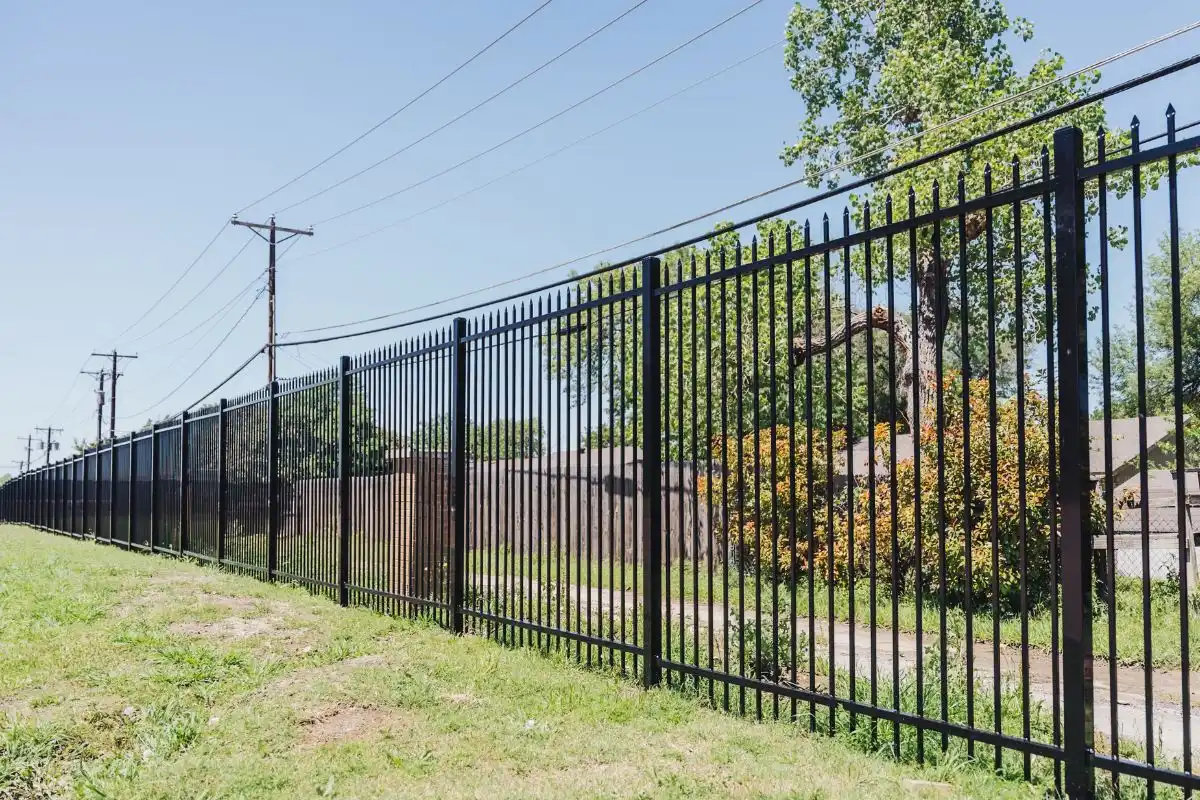
Iron and Wrought Iron Fencing
Iron fencing has an open, classic look. It suits homes and businesses that want something clean and elegant.
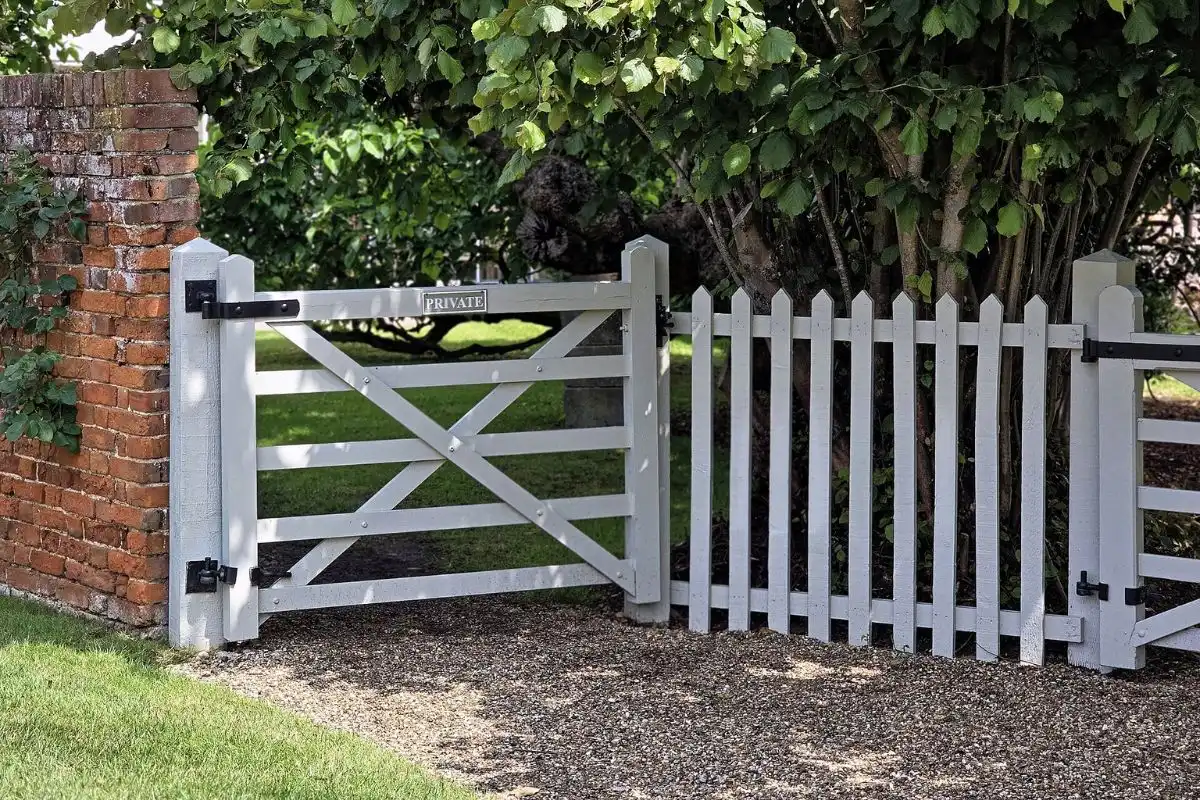
Fence Gates
We install walk-through gates and driveway gates. Automated gates are possible too, if they make sense for your property and the way you use it.
Before we install anything, we look at your property carefully and plan the fence to fit it. Every install also takes Austin’s soil and local code requirements into account, so the fence holds up long after our crew leaves.
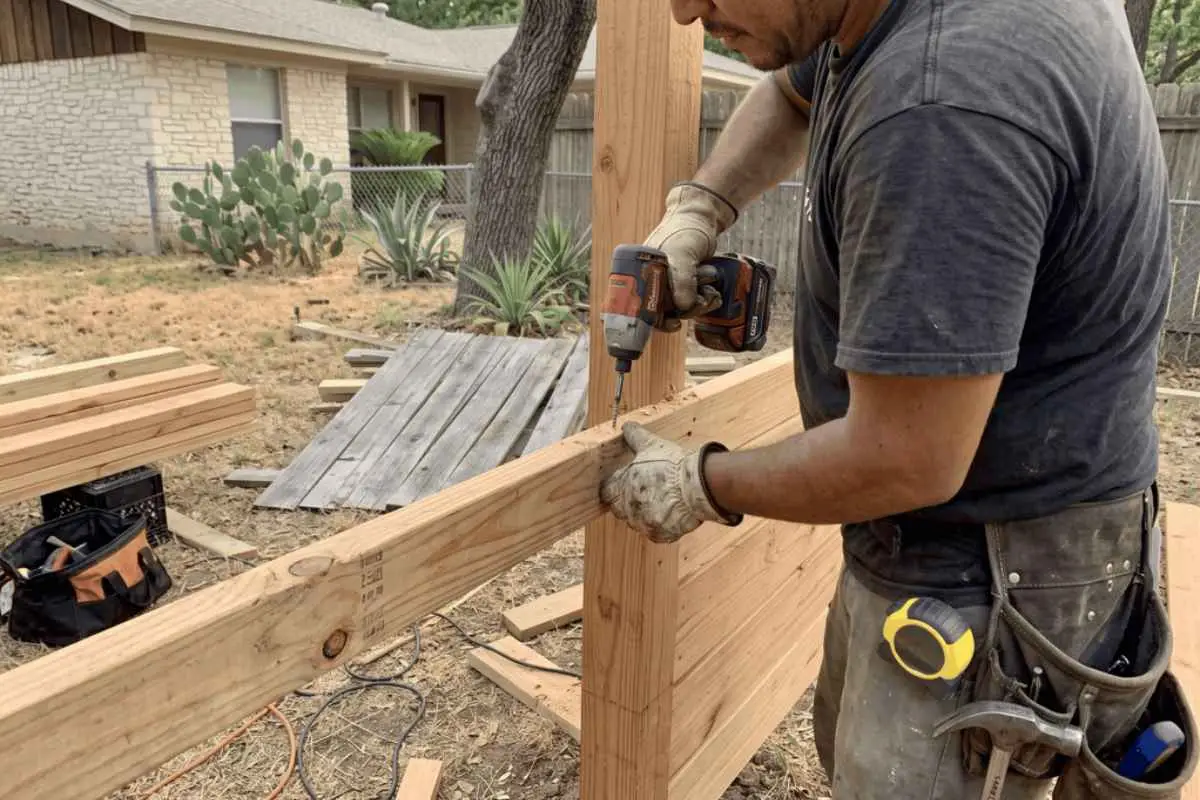
Why it happens
Why Austin Fences Take Damage?
Austin fences face hot summers, heavy rain, and fast-changing weather. Each one wears on a fence in a different way.
Hot Summers and Strong Sun
Long hours of sun dry out wood and fade its finish. Some vinyl starts to strain as well. Walk your fence now and then, since small problems are easier to catch early.
Changing Soil Conditions
A lot of ground around Austin is clay. It swells when it’s wet and shrinks when it dries. That push and pull works against your posts and the concrete holding them.
Heavy Rain and Poor Drainage
Water pools at the base of the fence and turns the soil soft. Wood sitting in that soggy ground starts to rot over time. Drainage gets ignored a lot, but it really counts.
Strong Winds and Storms
Strong wind loosens boards and pushes whole sections crooked. From the street, the fence can look fine. The damage may be on the back side, where you can’t see it.
We find out what went wrong first. Then we fix the problem and suggest a plan to keep it from happening again.
Decision guide
Should You Repair or Replace Your Fence?
Repair usually makes sense when damage is contained and the surrounding posts, rails, and panels are still solid. Replacement becomes more practical when problems repeat across a long section.
Repair may be enough when
- Only a few pickets or rails are split from harsh summer heat, but the rest of the run is sturdy.
- The gate drags simply due to seasonal soil shifting or hardware that needs adjusting.
- Posts are firmly anchored below the surface and haven’t cracked their concrete footings.
- Damage is isolated to one section after a fast-moving Central Texas thunderstorm.
Replacement may be better when
- Multiple posts have shifted or snapped deep in Austin’s expansive blackland clay soil.
- Untreated wood or older pine boards have developed widespread rot near ground level.
- Continuous hill-country winds have twisted the structural frame beyond a safe realignment.
- The fence is over 12–15 years old and constant seasonal patching costs more than a fresh build.
The real question isn’t just whether your fence can be fixed. It’s whether the repair will last and cost less than replacing the failing section.
Not sure which one fits your fence? We go over both choices with you, and you decide.
Specialist repairs
The Repairs Austin Homeowners Search For Most?
01
Resetting & Replacing Loose Posts
One weak post can pull a whole section down with it. We look at the post, the soil, and the footing. Then we tell you straight whether it needs resetting or replacing.
02
Hinge, Frame & Gate Adjustments
A gate that sticks or sags often doesn’t need replacing at all. Most times the trouble is in the hinges, the frame, the latch, or the posts holding it up. We check all four.
03
Picket & Rail Board Restoration
Loose rails, cracked boards, and worn sections make a fence look damaged and weaken the whole base. We swap out only the damaged parts and leave the good sections alone.
04
Emergency Storm & Wind Recovery
A storm often hits the weakest parts of a fence first. They may look fine at first, then fail a few weeks later.
How it works
Four Steps, No Surprises
1
Call or message us and tell us what’s going on. Send photos if you can, since they let us see the damage before we visit.
2
Our team reviews the whole situation and then gives you a proper estimate. No work begins until you’ve read it.
3
Happy with the estimate? Tell us, and we’ll set a schedule to start the work.
4
When the work is done, we walk the fence with you. We also explain the warranties that apply to your job.
Material guide
Choosing a Fence for Texas Conditions
Picking a fence comes down to your budget, the look you want, and how much upkeep you can handle. Sun, drainage, and the soil around each post matter too.
Material
Why homeowners choose it
Austin Maintenance Focus
Cedar
Natural look, fights decay well
Check the stain or sealant and replace split boards
Pressure-treated pine
Practical and kinder to your budget
Watch the soil line for moisture and keep the finish fresh
Vinyl
Simple to clean, won’t rot
Pick panels built for strong sun and replace cracked pieces
Chain link
Tough, works for yards and businesses
Fix bent rails, loose mesh, and worn gate hardware
Iron & aluminum
Open design, clean classic look
Treat rust and chipped coating early, especially at joints
Pricing
What Affects Fence Repair Cost in Austin?
Your repair cost depends on the damage, the material, and how much work is involved
Damage Extent & Yard Access
The more boards, posts, and panels are broken, the more work the job takes. Hard-to-reach spots add time too.
Fence Material & Color Matching
The material you choose changes both the price and how long the repair lasts. Matching old boards or panels can add cost as well.
Soil Type & Ground Difficulty
Rocky or hard ground can slow the work. Each type of soil may also need different materials.
Fixing Sections vs. Full Replacement
A small repair costs less than a whole new fence. But if many sections are failing, replacing everything can be the smarter spend.
After a storm
What to Do When a Fence Is Damaged
01
Keep the area clear
Keep your kids and pets away from broken sections until the fence has been checked.
02
Document the damage
Take clear photos before you move anything. If you call your insurance company, you’ll be glad you have them.
03
Check the full fence line
Walk the whole fence. Look for loose rails, bent panels, and gates that no longer close right. Damage often starts in these spots.
Service area
Fence Repair and Installation by City
We do fence repair and installation in Austin and nearby areas, depending on where your project is and how busy we are.
Don’t see your city yet? Call or chat with us. There’s a good chance we already cover your area.
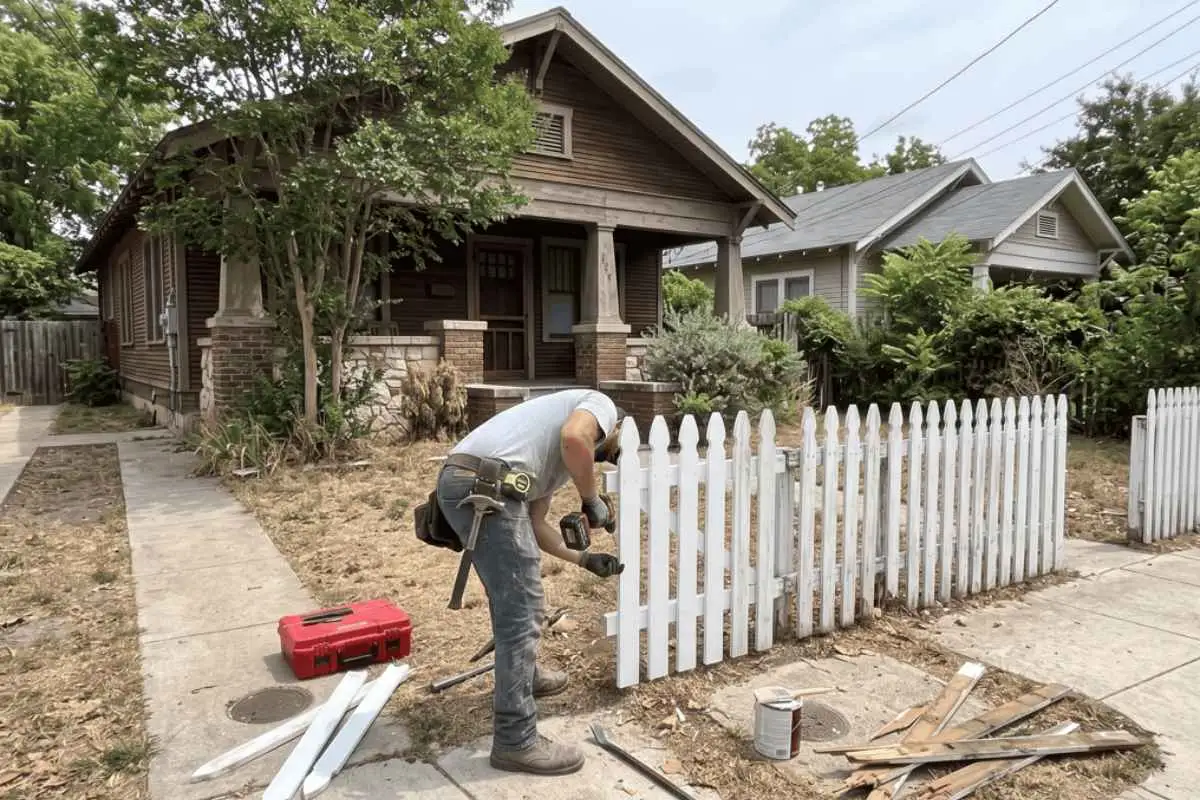
Every Property Has Different Conditions
Two yards in Austin are never quite the same. One might be flat and the next one slopes. Soil, drainage, and the way we reach the fence all change, and all of it affects how we repair or build. City rules and HOA requirements can also affect fence height, placement, and look, so check the rules for your address before any install.
Before your appointment
- Clear the area. Move furniture, toys, and planters away from the damaged fence.
- Keep your pets indoors during the inspection and the repair.
- Leave clear space along the rails that need work. Tell us where sprinklers, lighting wires, and any known underground utilities are.
- Have your HOA details or an insurance claim number ready if either applies to the job.
FAQ
Frequently Asked Questions
For a new installation or full replacement in Austin, expect to pay between $25 and $55 per linear foot including materials and labor, with a typical 150-foot residential backyard running around $3,200 to $6,500. Pressure-treated pine is usually the most budget-friendly ($20–$32/ft), Western red cedar runs around $28–$48/ft, while ornamental iron and vinyl typically cost $35–$65+/ft.
For targeted repairs, local jobs typically range from $150 to $450 for single panels, gates, or hardware, and $400 to $900 to dig out and reset failing concrete post footings. Total costs depend on ground conditions like Austin’s rocky limestone or shifting blackland clay, gate additions, and old fence haul-away. We provide an exact, itemized quote after a free on-site consultation.
In Austin, the biggest threats to wood fences are intense summer UV exposure and moisture at the ground level. To keep your fence in peak condition:
Apply a high-quality, UV-rated stain and sealant every 2 to 3 years to stop the wood from graying, drying out, and cracking. Make sure your lawn sprinklers are aimed away from the fence line, clear away heavy mulch or soil touching the bottom boards, and wash off seasonal dirt with a mild cleaner rather than a harsh power washer.
In most cases, you do not need a permit to repair or replace a standard residential fence in Austin if it is up to 7 or 8 feet tall and follows your existing property line. However, the City of Austin does require a permit if the fence exceeds standard height limits (such as over 6 feet along a public street/right-of-way, or over 8 feet tall anywhere), if your property falls within a designated floodplain hazard area, or if you live in a historic zoning district. Even when a city permit isn’t necessary, your fence must still adhere to local building setbacks and any neighborhood HOA guidelines regarding materials, height, and outward-facing finishes.
A gate usually sags when the posts supporting it shift, loose hinges pull away, or the frame begins to warp under its own weight. In Austin, shifting clay soil that swells and shrinks with the weather often loosens the concrete footings around the gate post, causing the whole structure to lean. Over time, heavy daily use and wind can also loosen hardware screws or pull the wooden frame out of square, making the gate drag along the ground and fail to latch properly.
Common fence repairs typically include resetting or replacing leaning posts shifted by soil movement, swapping out rotted or snapped wood pickets and rails, and realigning sagging gates. Homeowners also frequently need to fix storm damage from high winds, repair loose hinges and latches, treat rust on metal joints, and replace cracked or warped vinyl panels. Catching these isolated issues early keeps the rest of the fence sturdy and prevents the need for a full, costly replacement.
Hiring a professional contractor ensures your fence is repaired correctly the first time, saving you significant time, labor, and costly trial-and-error. Experienced local contractors understand how to handle challenging ground conditions like Austin’s shifting clay soil, use heavy-duty hardware, and properly secure posts below the frost line. In addition, licensed and insured professionals back their work with warranties and safety guarantees, properly align gates, and handle all cleanup so you never have to pay twice for the same repair.
Ready for a fence that lasts?
Every job starts with a free estimate, so you know the price before we touch anything.