Free on-site estimatesServing Austin, Dallas, Houston, Fort Worth & San AntonioContact our fence specialists


The average fence repair cost in Texas stays under $800 for most homeowners, since small fixes like a few broken pickets or a loose gate rarely need a rebuild. This Texas fence repair cost breakdown covers 2026 prices by damage type, material and city, including $15 to $35 per picket, $150 to $400 per post and $250 to $600 per section. It also explains when replacing a fence makes more sense than repairing it.
Fence repair cost in Texas usually runs $150 to $800 for small jobs, but a badly damaged fence can easily climb to $2,000. What you pay depends on the fence material, how much is damaged, the labor, and how big the repair turns out to be. A few broken pickets are cheap to replace, mostly because matching boards are easy to find. Damaged posts, several bad sections or storm damage? That bumps the bill up fast. Material matters too, since wood, vinyl, chain-link and metal all cost different amounts to fix.
Fence repair cost in Texas changes from one property to the next. Damage, material, labor, job size and where you live all pull the price in different directions. So below you’ll find the breakdown by repair type and material, plus how to tell when replacing beats patching.
Repair Prices at a Glance
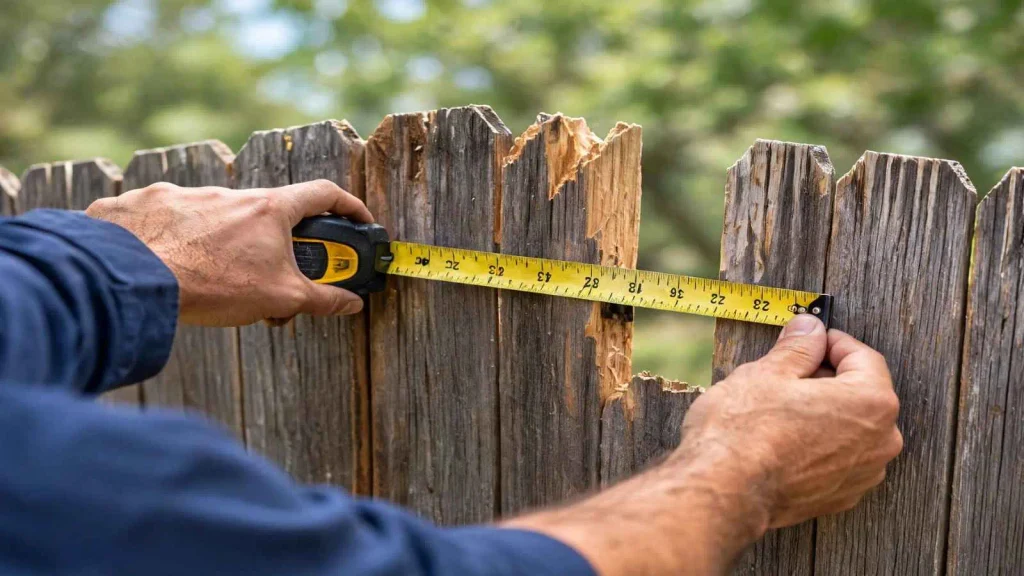
| Repair Type | Typical Cost |
| Small fence repair | 150–800 |
| Broken or missing picket | 15–35 per board |
| Fence post repair or replacement | 150–400 per post |
| Rail or section repair | 250–600 per section |
| Gate repair | 100–400 |
| Major storm damage | 800–5,000+ |
| Longer repairs | 10–40 per linear foot |
These are planning ranges, nothing more. What you finally pay depends on the material, how bad the damage is, the labor involved, how easy the fence is to reach, and where you live.
What Fence Repair Usually Costs in Texas
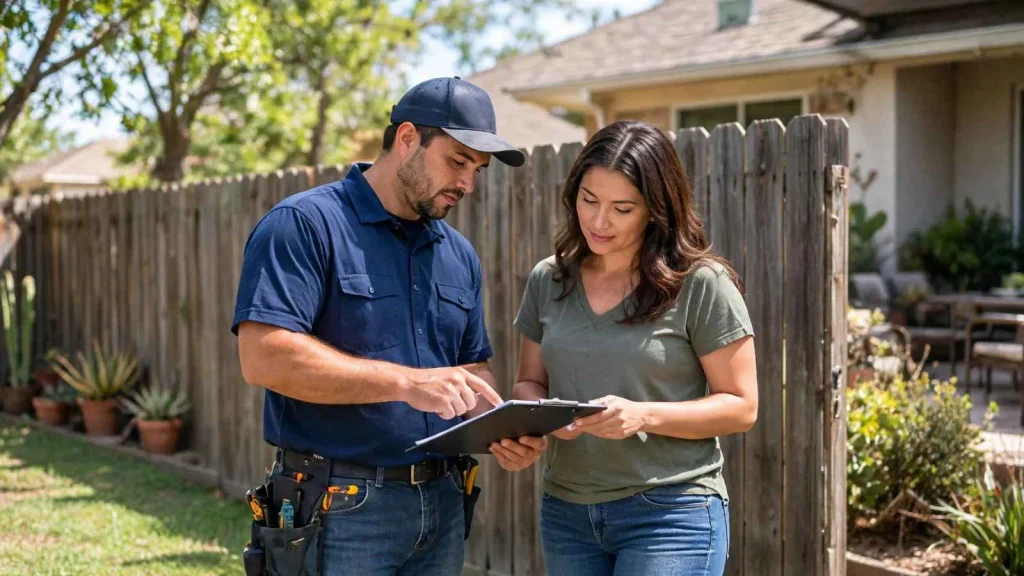
A typical fence repair cost in Texas falls inside the small-job range of $150 to $800, but the extent of the damage sets the final number. A minor fix like swapping a few broken pickets ($15–$35 per board) or repairing a gate ($100–$400) stays on the lower end. However, replacing posts ($150–$400 each) or fixing damaged sections ($250–$600 per section) quickly increases the cost. Severe storm damage can easily drive total repairs up to $2,000 or more.
What You Pay For
Your bill usually has three parts: materials, labor, and sometimes a service fee. Materials cover the boards, posts, screws and hardware, and labor is the crew’s time at your home. A single panel or hardware repair starts around $150, while post and footing work runs $150 to $400 for each post.
On very small jobs, some contractors add a minimum fee of $150 to $300. Even one repair means travel, setup, tools and fuel, so that’s where the fee comes from.
Rate for Longer Repairs
When a contractor charges by the foot, expect somewhere between $10 and $40 per linear foot. Wood fence repairs often average around $20 to $25. Small repairs mostly go by flat or minimum rates instead, and we’ll get to those below.
Why Quotes Differ
Two contractors can quote the same fence repair cost in Texas very differently. Material, damage, location and how easy the fence is to reach all play a part, so change one and the total moves.
What Fence Repair Costs Across Different Parts of Texas
Fence repair cost in Texas varies by city, as unique local factors like soil conditions, severe weather patterns, and regional labor demand shape overall project costs.. Explore the breakdowns below to see expected costs and key repair considerations for your area.
Fence Repair Cost in Austin
Austin lands near the top at about $500 for a small fence repair. Two things drive that: rocky limestone under the topsoil and hilly lots, which slow down post digging. Add HOA rules on fence style and stain color, and crews have to match materials closely. Strong demand keeps labor rates slightly above the Texas average, so expect quotes to come in higher than elsewhere.
Fence Repair Cost in Fort Worth
Clay soil does most of the damage in Fort Worth. It swells in wet weather and shrinks in dry spells, which slowly pushes posts out of line. That’s why leaning sections are the usual call here. Older homes add worn rails and rotted boards. The result is the lowest average of these cities, about $350 for a small repair. Ask if your quote is flat or per foot.
Fence Repair Cost in Dallas
Hail season sets the pace for Dallas fence repair, which averages about $400 for a small job. A spring storm can break boards along several yards in one afternoon. Then everyone calls a contractor at the same time, and scheduling slips by weeks. Book early, get the quote in writing, and don’t accept rushed work. That keeps surprise charges off your bill after a big storm.
Fence Repair Cost in Houston
Houston is the priciest of the five, with small repairs averaging about $550. Moisture is the reason. Humidity and heavy rain rot wood fast, so you’ll often find soft posts and swollen boards. Flooding leaves the ground soft, making new posts harder to set. After tropical storms, crews get swamped and prices climb. Ask about treated lumber or rot-resistant posts to make the repair last.
Fence Repair Cost in San Antonio
Why do San Antonio fences fade so fast? Strong sun and dry air crack and bleach wood, so board and rail swaps are the most common jobs. Shallow rocky soil also slows post work. A small repair averages about $450. Since old and new boards rarely match, ask your contractor how they’ll blend the colors before you approve the quote.
Damage Types and What They Cost
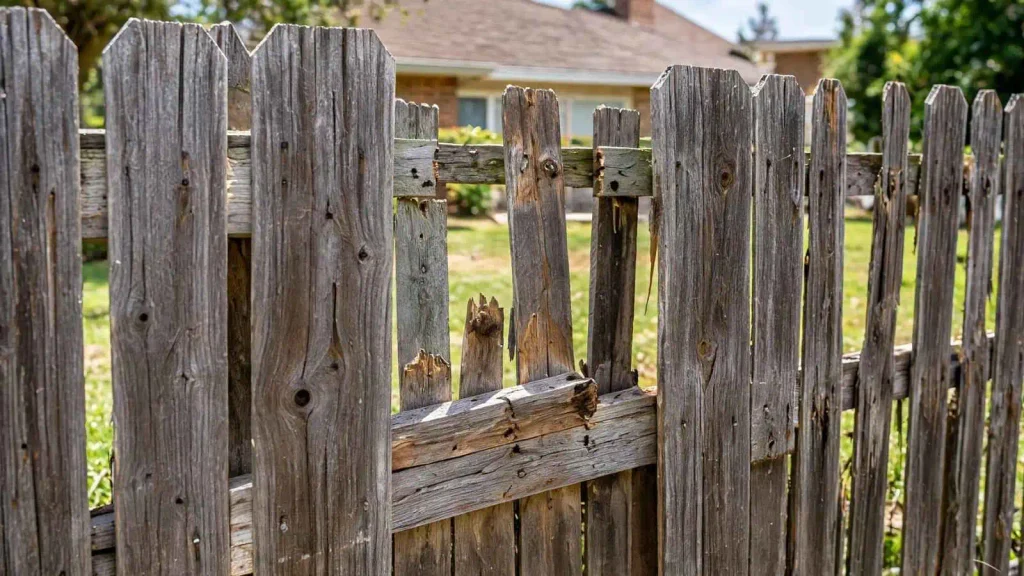
Understanding specific damage types and their repair costs helps you budget accurately before getting professional contractor quotes.
Broken or Missing Pickets
A broken picket runs about $15 to $35 per board, which makes it one of the cheapest fixes you’ll see. Ask if labor is included in that number, though. A contractor’s minimum fee can push the total higher even for a single board. Color matching is the other headache, since new wood looks bright next to boards faded by the Texas sun.
Leaning or Damaged Posts
Post repair costs about $150 to $400 per post. That’s higher than a board because the crew has to dig the hole and break out the old concrete. After that they set the new post and hold it straight until the concrete cures.
Broken Rails or Sections
A rail or section repair runs about $250 to $600 per section and rails are what hold the fence together, so when one snaps, it’s a structural job and not just a looks thing. Labor adds up quickly.
When a Storm Hits
Storm damage can cost $800 to $5,000 or more when several sections or structural parts need work. Say a few sections lean, one post comes loose and a couple of rails split. That’s not a quick fix anymore, it’s a much bigger job.
Gate Repair
Gate repair usually lands between $100 and $400. Most of the time it’s a worn latch, or a gate that has slowly dropped out of line. Check the hinges first, then the latch.
What Each Fence Material Costs
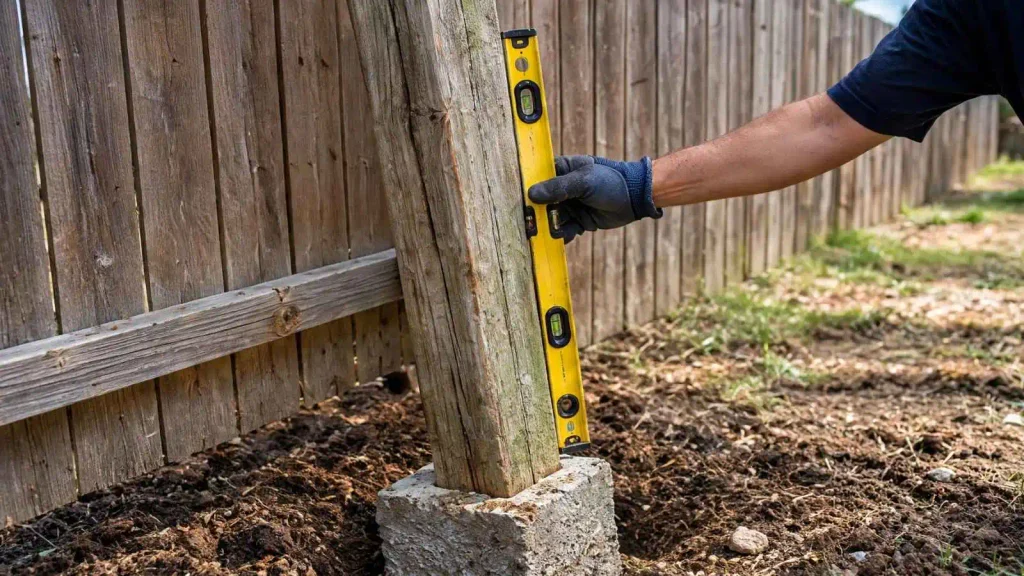
While damage severity plays a major role in pricing, the material your fence is made of also significantly impacts the overall repair costs. Here are the different fence materials costs.
Wood Fences
Wood fence repairs usually cost $150 to $600 per section, depending on the job. A few boards cost less than rebuilding a whole section, which can land in the $250 to $600 range from the table. Ask whether staining or sealing the new wood is in the quote.
Vinyl Fences
Vinyl repairs run $250 to $600, usually when a whole panel or most of one has to be replaced. If the style or color was discontinued, finding a panel that fits can cost extra.
Chain-Link Fences
Chain-link repairs cost $150 to $400, and the parts are cheap. Common jobs include torn fabric, bent posts, loose tension parts, and gates that won’t latch.
Metal Fences
Aluminum, steel and ornamental fence repairs cost $200 to $800. Some fixes need welding and others just need a replacement part. Welding takes real skill, so expect to pay for that experience.
Composite and Specialty Fences
These are usually the priciest to fix, anywhere from $300 to $1,000+. The parts need to match exactly, and with some brands you’ll also need an installer who knows that product.
Flat Rate or Per Foot?
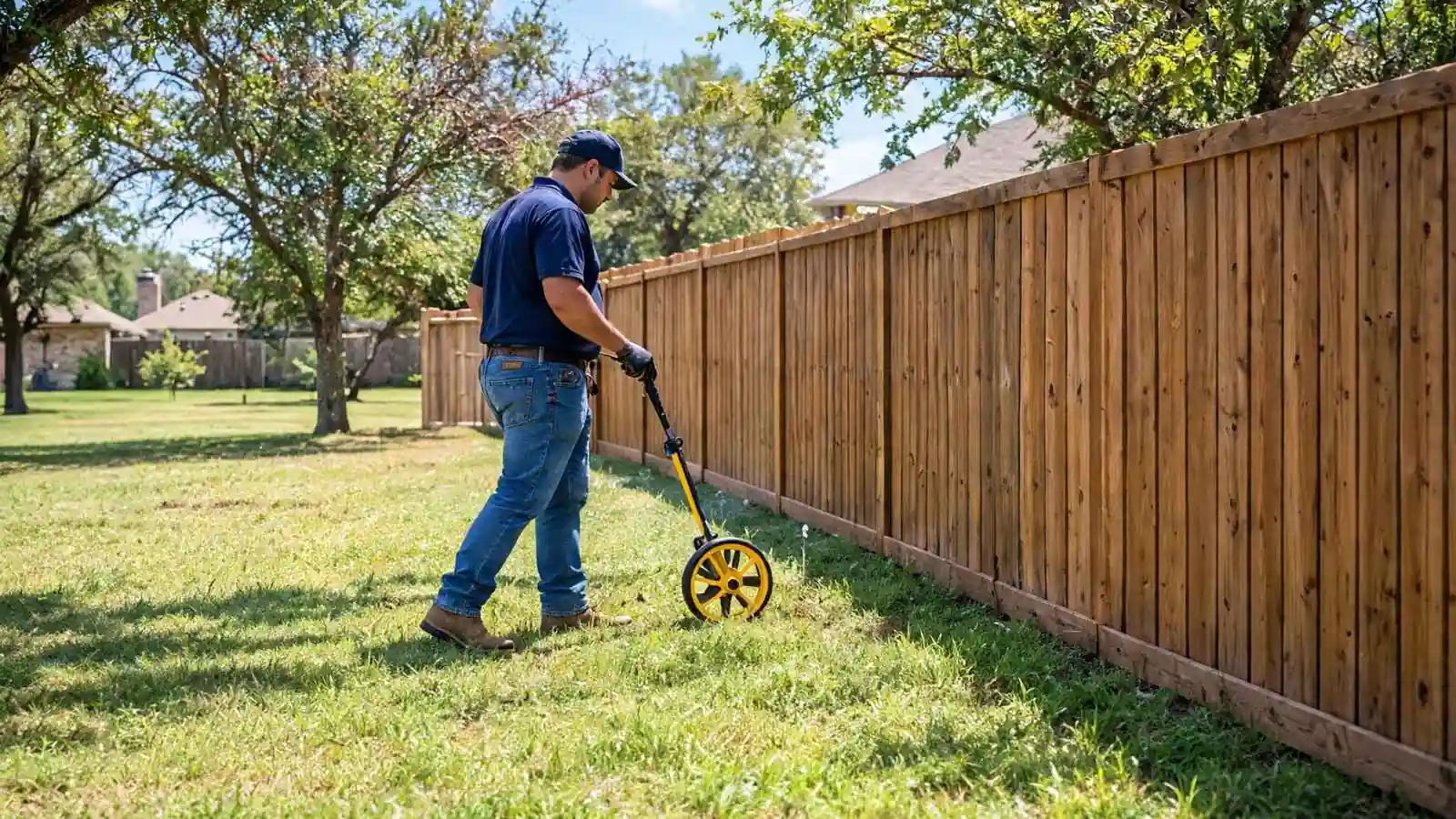
Per-foot pricing makes more sense for longer stretches of fence, while flat rates or minimum fees are normal for small repairs. Compare quotes by the work each one covers.
Quotes for Long Stretches
Per-foot pricing works best when a whole stretch of fence has to go. Say 20 feet need replacing. The contractor measures it, picks the material and adds labor, so you can check the math yourself.
Quotes for Small Fixes
Flat rates and minimum fees cover small jobs. Even one post or picket needs travel, setup, tear-out and cleanup, and a low per-foot number can’t cover all that. That’s why the minimum fee is often $150 to $300.
How to Read Your Quote
Read each line of your quote and ask what it covers. If something isn’t written down, assume it isn’t included.
What Raises or Lowers the Cost
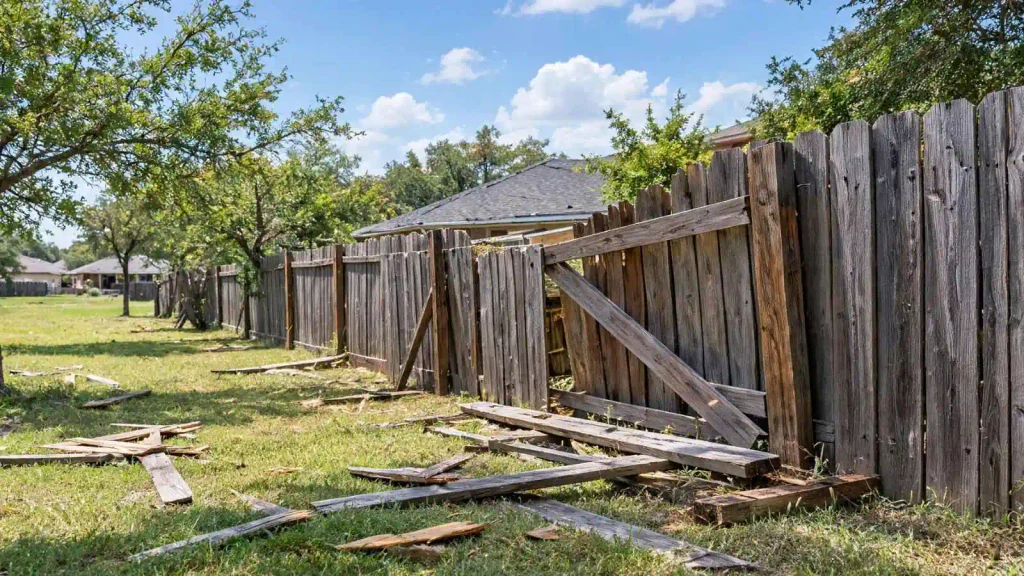
A few things can swing your estimate by a lot, so it helps to know them before the quotes come in:
Type of damage: Structural problems take more work than ones that only look bad.
Fence material: Parts can vary a lot in price, sometimes double.
Number of damaged sections: Each extra section adds labor and materials.
Property access: Hard-to-reach fences take more crew time, and that time goes on your bill.
Post condition: Weak posts nearly always take more effort than swapping one board.
Gate repairs: Moving hardware needs exact alignment, which plain boards never do.
Finish matching: Staining or painting the new wood to match the old takes extra time.
Disposal and cleanup: Somebody has to haul the old boards and sections away, and that’s extra work.
Should You Repair or Replace?
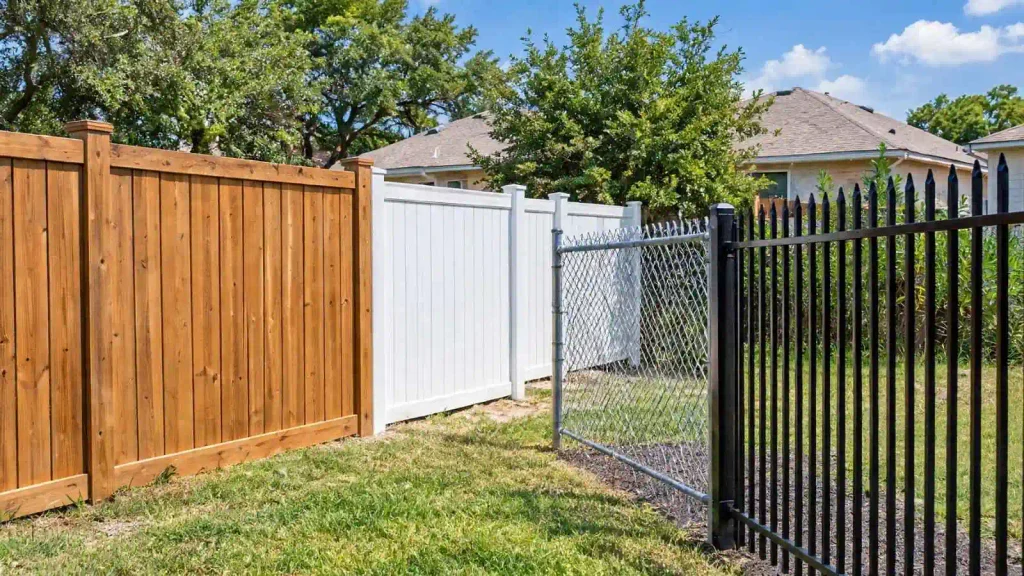
If the damage is small, repair the fence. If it’s worn out or damaged all over, a new one is usually the better move.
Signs Repair Is Enough
Repair makes sense when most of your fence is still solid. Often only a few boards at one end or corner are damaged, so patch them and get back to your week.
Signs You Need a New Fence
Replace the fence when the damage is widespread or the posts are failing across the property. It also makes sense when what’s left is simply worn out. A good rule is to replace it when 50% or more of the fence structure is damaged or failing.
Long-Term Cost
A cheap repair is no bargain if you end up paying for another one next year. Add up what you have spent on this fence lately, then compare that total to a replacement quote.
What a Good Estimate Includes
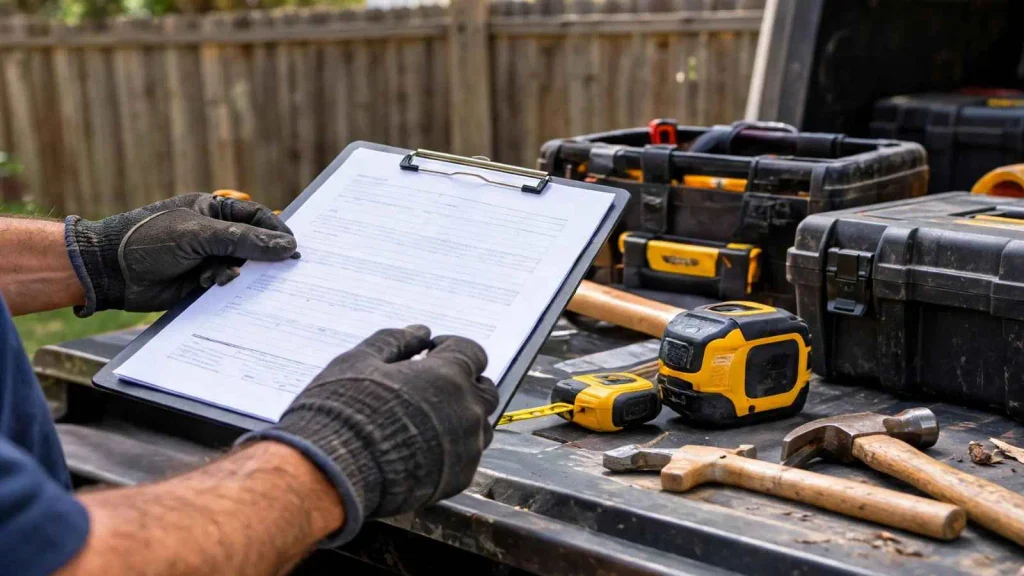
A good estimate names each damaged part and puts a clear price on the work. For a quick check against the numbers above, small repairs usually run $150 to $800, and pickets are $15 to $35 per board (confirm whether labor is in there). Posts run $150 to $400, rails or sections $250 to $600, and gates $100 to $400. Big storm damage goes from $800 to $5,000+. The estimate should also say plainly if removal and hauling are covered, and whether staining or painting costs extra.
Make sure the estimates you’re comparing cover the same work. One contractor may include hauling and staining, while another charges for them separately. Look at what each quote covers first, then the price.
How Not to Overpay
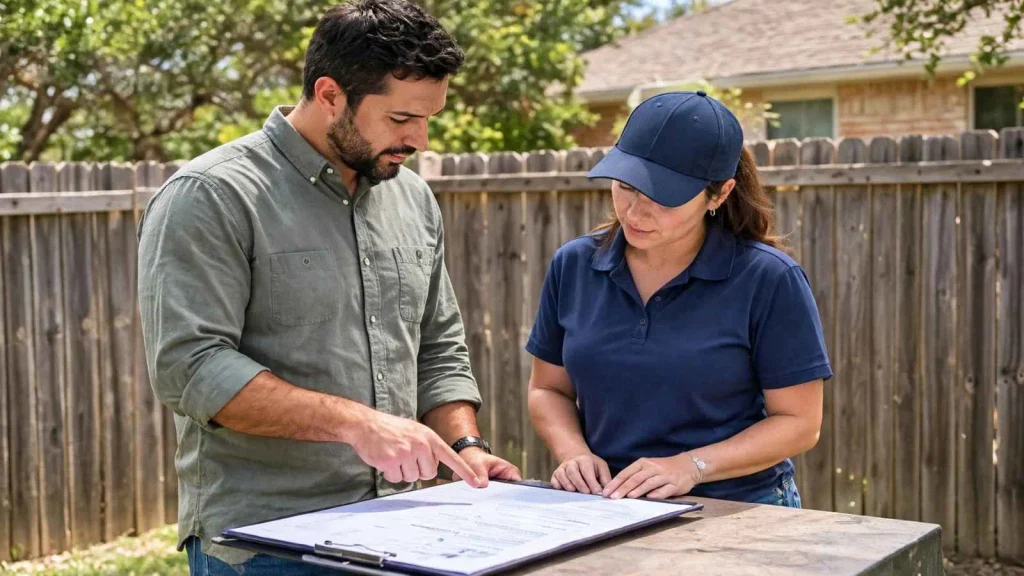
Here are the few simple habits to keep money in your pocket.
Ask for More Than One Quote
Get two or three quotes before you hire anybody. If one is way off from the rest, that’s your cue to ask why. If you’d rather get a firm number before you commit, you can request a free fence repair quote in Texas and compare it against the ranges above.
Show Every Problem
Point out all the damage to the contractor, even the small stuff. Walk the full fence line with them so nothing gets missed.
Get the Scope in Writing
Get the full scope on paper, including start and finish dates. Everyone’s time matters, so you should know when the job will be done.
In a Nutshell
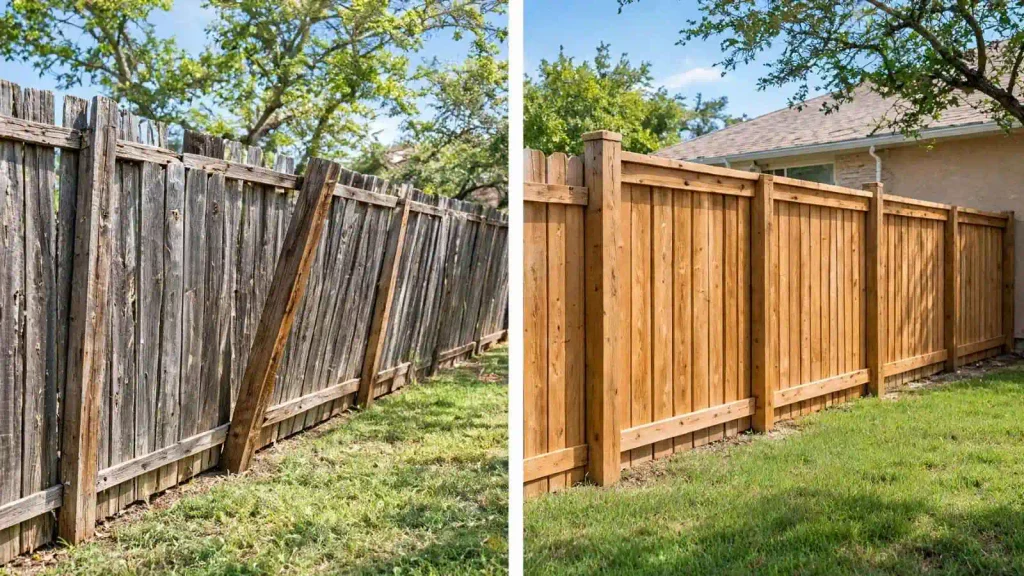
The clay soil in Texas swells when it’s wet and shrinks when it’s dry. All that moving loosens posts and tilts whole sections over the years, and the soil keeps water sitting against wood posts too, so they rot faster.
Spring brings hail and strong wind, and one storm can hit a few sections at once. Old fences get it worse. Fix one weak section and, more often than not, the next one starts showing. A sagging gate usually points to a shifted post behind it. [National Weather Service Fort Worth/Dallas]