Free on-site estimatesServing Austin, Dallas, Houston, Fort Worth & San AntonioContact our fence specialists

A fence permit is your city’s sign-off on your fence plan, and plenty of Texas cities ask for one. This guide covers Dallas, Fort Worth, Texas City, Grand Prairie, and Irving. The rules differ more than you’d expect from one city to the next, so check your own address before you buy a single post.
Most homeowners start with the same three questions: Do I need a permit? How tall can the fence be? Do I need a survey or an inspection? This fence permit guide answers each one in plain words.
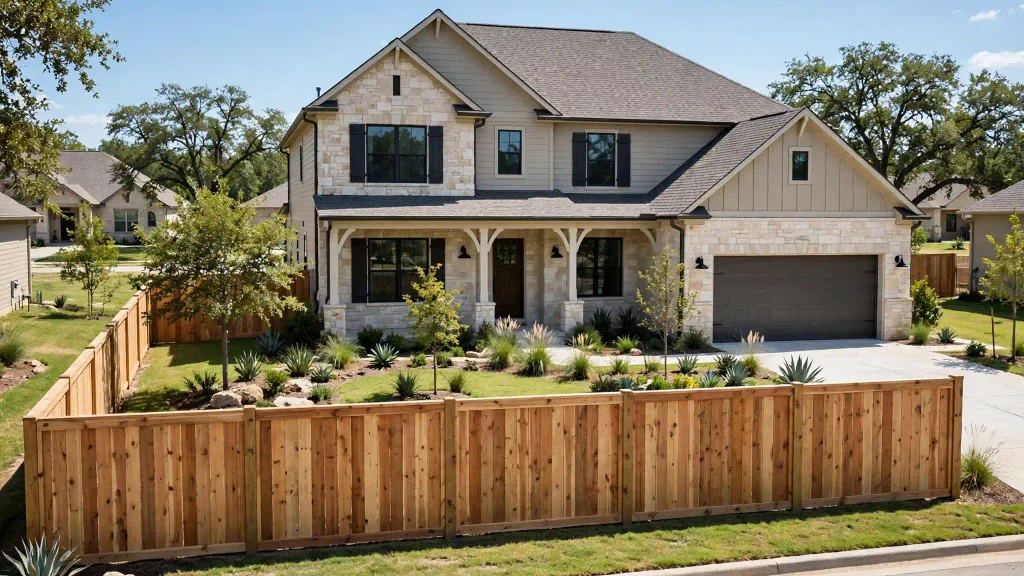
Fence Permit Rules by City at First Sight
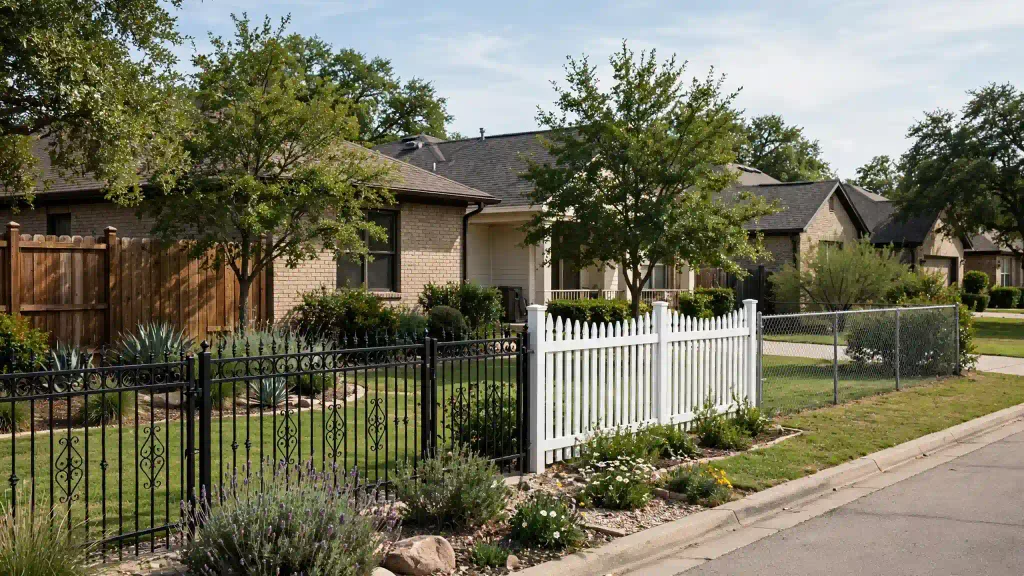
Heights and permit triggers differ in each city, as this table shows.
| City | Front yard | Rear yard | Permit needed |
|---|---|---|---|
| Texas City | 2.5 ft if solid, rising to 6 ft | 8 ft | New, moved, or taller fence |
| Dallas | 4 ft | 9 ft | Front yard over 4 ft; elsewhere over 6 ft |
| Fort Worth | 4 ft, open design | 8 ft | Solid over 6 ft*; open over 8 ft |
| Grand Prairie | 3 ft solid, 4 ft open | 8 ft | Permit and plan review |
| Irving | 4 ft, at least 50% open | 8 ft | New or replacement fence |
Fort Worth’s printed permit guide uses 6 feet for solid fences, while some newer city summaries list 7. Plan around 6 until the city confirms the number for your address.
Treat the table as a starting point. Zoning, historic districts, and HOA rules can change the answer for your lot.
Why Permits Matter and When to Skip One
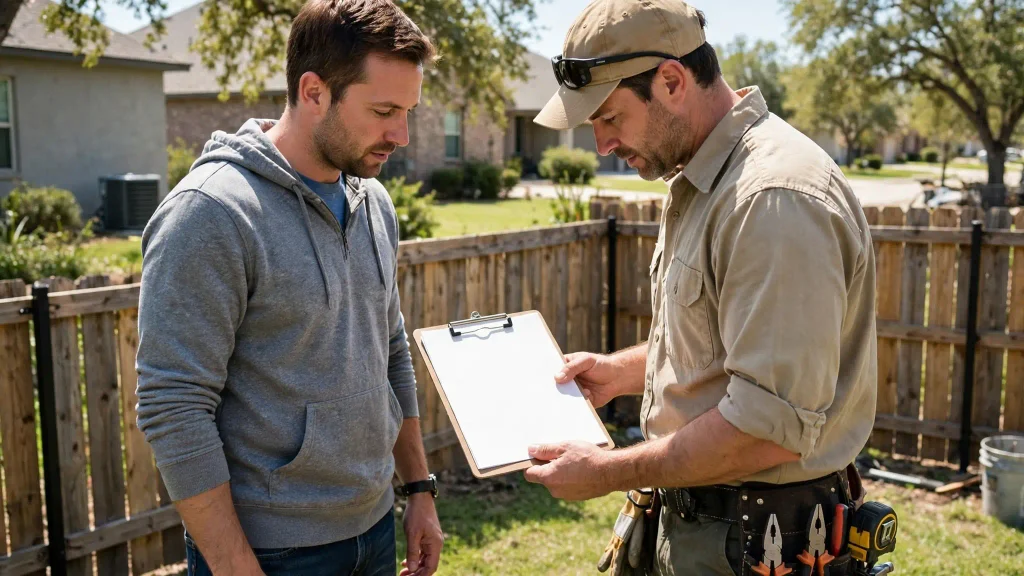
A permit confirms that your fence meets the city’s safety and zoning standards, and in some cities a low backyard fence doesn’t need one at all. Dallas, for example, only asks for a permit once a rear or side fence goes past 6 feet. You’ll more often need one for a tall front yard fence, a tall rear privacy fence, a pool barrier, or a fence in a special zoning district.
A permit also protects you later, because it shows you built to the rules in force at the time. That helps when you sell the house or a neighbor questions the fence line, and a fence built without one can cost far more to fix than the permit ever would have.
Texas State Rules vs City Rules

Texas has no statewide fence permit rule that overrides local ones, so each city or county sets its own, and the same fence can need a permit in one town and sail through in the next. New fences and repairs aren’t always treated alike, either. Some cities want a permit for a new fence or full replacement but not for a few fixed boards. If you can’t tell which category your project falls into, ask the city before you start.
One statewide rule does apply everywhere: call Texas811 at least two business days before mechanized excavation of 16 inches or deeper.
Five Common Permit Triggers
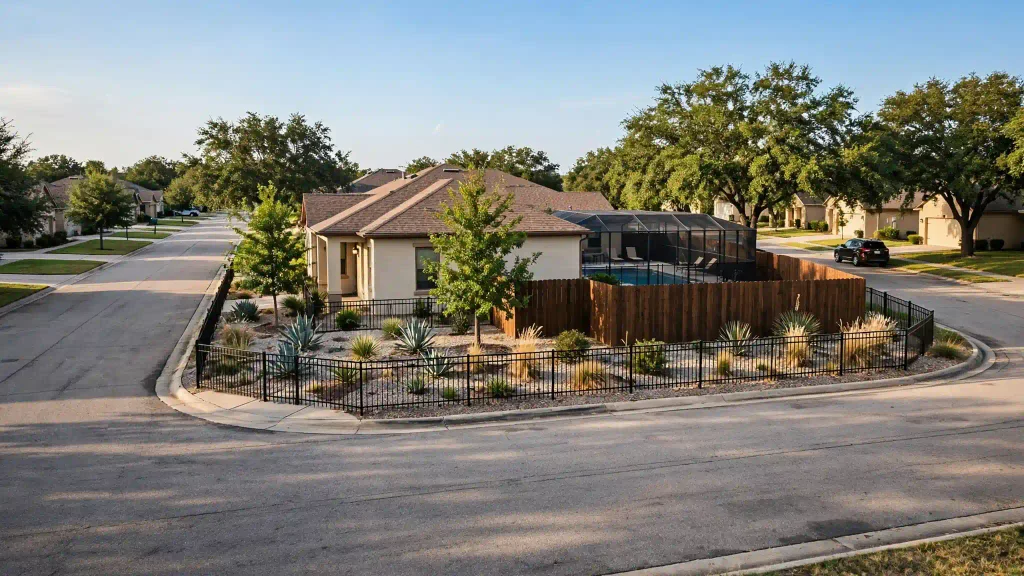
Five things most often bring a fence permit into play in Dallas-Fort Worth and Texas City.
- Height. Front, side, and rear yards have different maximums, and the front yard always has the lowest.
- Pool safety. Pool barriers have set rules for latches, height, and sight lines, and they often need a permit or inspection.
- Corner lots. Streets and driveways limit how tall a fence can be near the corner.
- Historic and planned development districts. These can add design rules and extra approvals.
- Floodplains, easements, and public rights of way. If a fence crosses a drainage easement, a floodplain, or public land, the city may deny the plan or ask for changes.
Dallas Fence Permit Rules
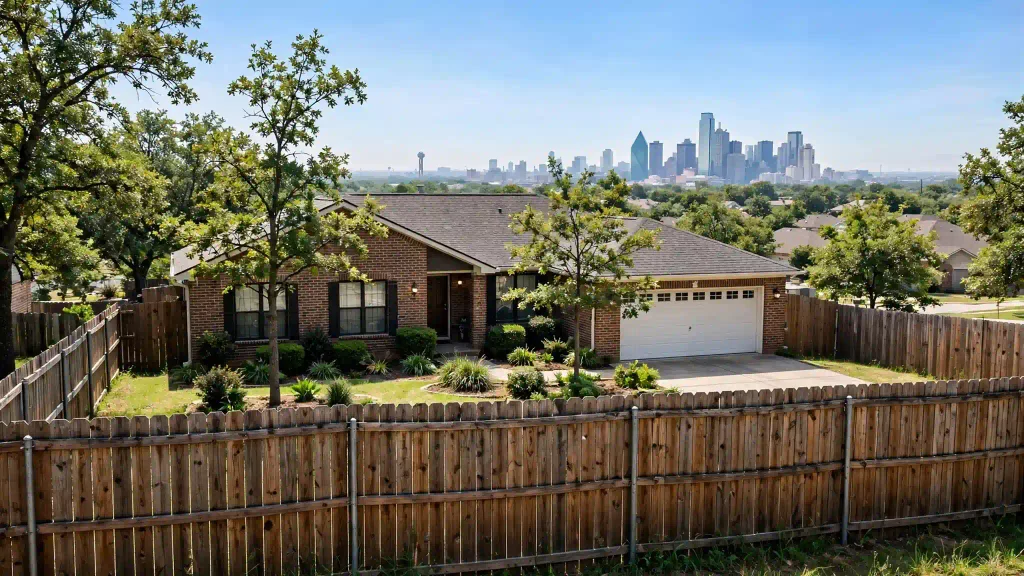
Dallas requires a fence permit for any fence over 4 feet tall in a front yard, or over 6 feet tall anywhere else on the lot. The height cap is 4 feet in the front yard and 9 feet elsewhere. Applications go through the city’s online DallasNow portal, along with a drawing that shows the fence height, grade, panel material, and how open the fence is.
Front yard fences also have an opacity rule: a panel that’s less than 50 percent open can’t sit closer than 5 feet to the front property line. A fence over 9 feet needs Board of Adjustment approval, a building permit, and plans sealed by a licensed engineer.
A permit doesn’t override zoning, so a fence taller than the zoning limit allows needs separate zoning approval first. Corner lots, historic districts, conservation districts, and planned development districts can each add their own rules, so check zoning for your address. See the City of Dallas fence permit checklist for the full requirements.
Fort Worth: Height Limits and Fence Styles
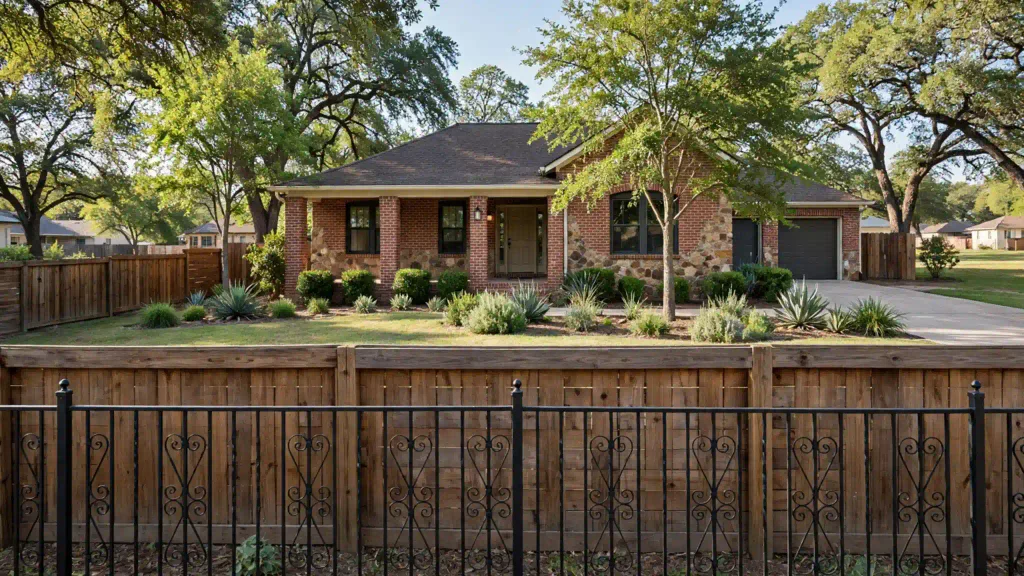
Fort Worth keeps front yard fences to 4 feet, and they have to be open in design, meaning at least half see-through, like wrought iron or picket. Chain link isn’t allowed in a front yard or a projected front yard, which is the street-facing side yard on a corner lot. Behind the front building line, fences can go up to 8 feet.
For permits, Fort Worth separates solid fences from open ones. An open fence needs a building permit once it passes 8 feet, while a solid fence needs one above 6 feet by the city’s printed guide, though some newer summaries say 7. A front yard fence over 4 feet needs separate zoning relief from the Board of Adjustment.
Historic districts and floodplain areas can add approvals, and corners and driveways have sight-triangle rules that keep fences low. Check the code and zoning for your property before you start, and use the City of Fort Worth residential permit guide as your reference.
Texas City: Front Yard Limits and Survey Rule
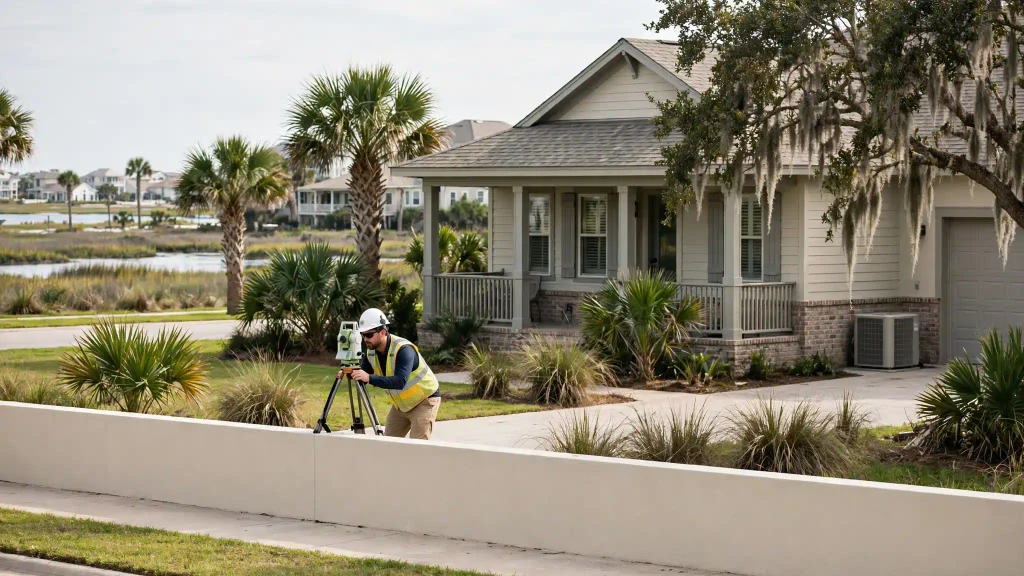
Texas City runs lower in the front yard than the other cities here. A solid front yard fence can’t rise above 30 inches (or 48 inches for open fences with gaps over 2.25 inches), and the allowed height then slopes up to 6 feet at the depth of the front yard. Back yard fences can reach 8 feet.
You need a fence permit for a new fence, a moved fence, or a fence that changes height or materials. If none of those apply, the city treats the work as a repair and doesn’t ask for a permit. It also won’t issue fence permits for vacant property.
Applicants have to register with the city first. Homeowners need proof of a homestead exemption filed with the Galveston County Appraisal District, plus a copy of a driver’s license, and applications go through the city’s online MyGov portal. You’ll also need a property survey stamped within the last 10 years, and an older one won’t do, even if your fence line looks obvious.
Before you dig, request a utility locate through Texas811 at least two working days ahead, so crews can mark buried gas, water, and power lines and a post hole doesn’t hit one. For the permit itself, call the City of Texas City Building Inspections office at (409) 643-5944 and confirm the form and fee before you apply. The city’s residential fence permit guidelines list the rest.
Grand Prairie and Irving Rules
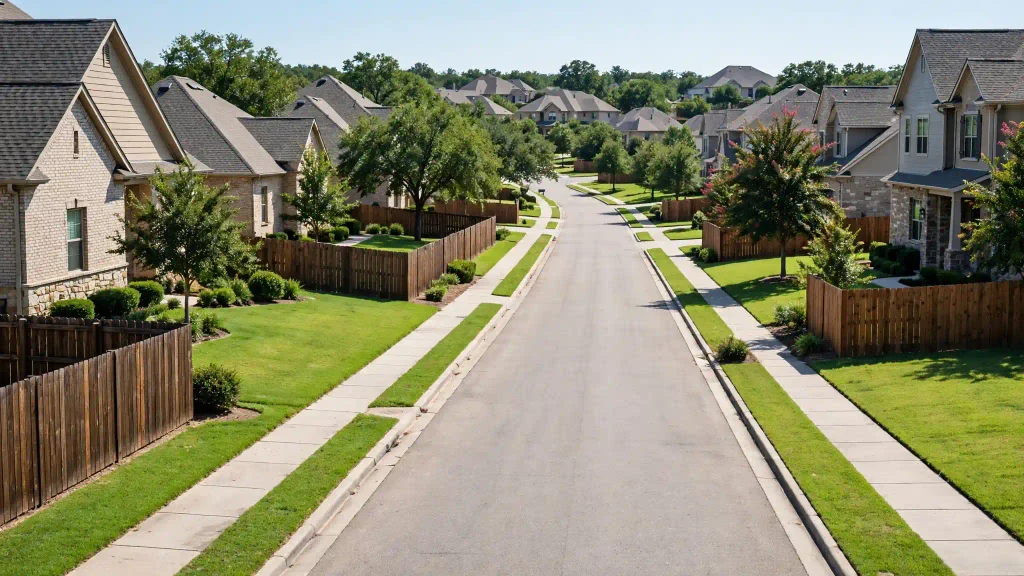
Grand Prairie runs residential fences through a permit and plan review. Front yard fences top out at 3 feet for solid designs (or 4 feet when at least 50 percent open), while along the side and rear lot lines and behind the front setback line the limit is 8 feet.
A side fence can taper from 8 feet at the front building line down to 3 feet at the front property line, and a fence along a side lot line that borders a street can’t pass 3 feet for the first 50 feet back from the curb. Corrugated metal and fiberglass aren’t allowed, and fences can’t sit in city right of way or across a drainage easement. The city’s residential fence checklist has the details.
Irving requires a permit for any new or replacement fence, and a contractor has to be registered with the city. Front yards are limited to 4 feet with at least 50 percent openness, and rear yards allow 8 feet in residential zones and 10 feet in non-residential ones. Swapping a few pickets, rails, or posts counts as maintenance, but replacing whole fence sections does not. Start with City of Irving Inspections, and confirm with your city before you commit to a plan, since rules also shift by address.
How to Get a Fence Permit in 6 Steps
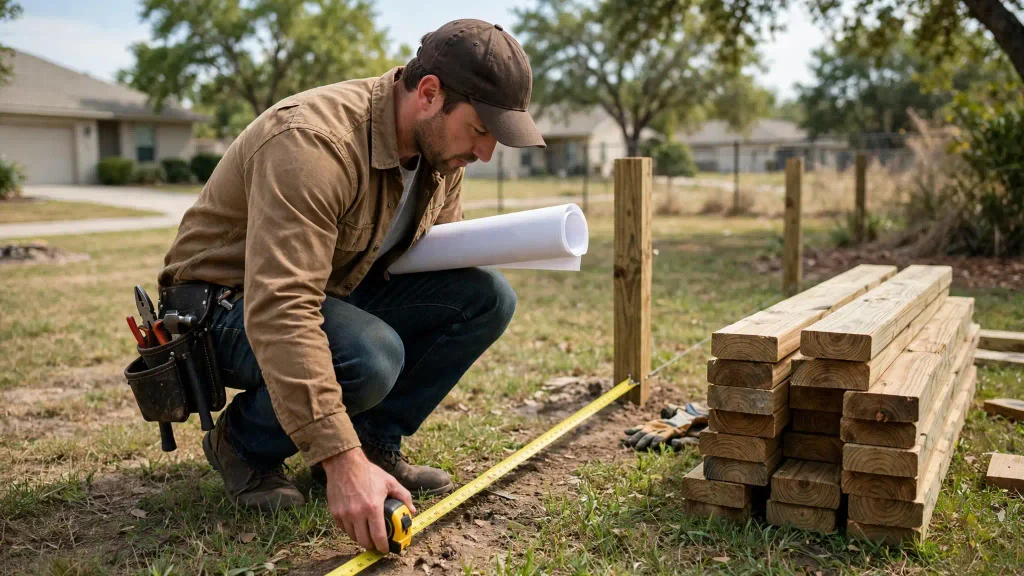
Most Dallas-Fort Worth cities follow the same six steps, and working through them in order saves you delays and rework.
Step 1: Confirm Property Lines
Start with your property lines, since a survey is your evidence in a dispute and many cities ask for a site plan.
Step 2: Check Zoning and Districts
Look up your address for zoning and special districts, such as historic districts and floodplains, because these can change permit needs or add design rules.
Step 3: Decide If You Need a Fence Permit
You may not need one if your fence fits the local no-permit heights and stays clear of pools, easements, and special districts. If any of those apply, plan on an application.
Step 4: Gather Documents
Cities want a layout showing the fence, gates, and dimensions, so pull together the site plan, materials list, survey, and written HOA approval if your neighborhood has an HOA.
Step 5: Submit to the City
Most cities here take applications online: Dallas through DallasNow, Fort Worth through its Accela portal, and Texas City through MyGov. Submit your plans, answer reviewer questions, and make any corrections the city asks for. Once approved, call Texas811 at least two business days before digging.
Step 6: Schedule Inspections
After installation, the city may inspect height, gate latches, and whether the fence matches the approved plans. Fence Repair Texas can arrange inspections and make any fixes.
Documents to Gather Before You Apply
A complete fence permit file gets approved faster than a thin one. Include:
- A site plan showing the fence line, gates, and sizes
- A materials list, and for Dallas, an elevation drawing showing height, grade, and how open the panels are
- Gate specs
- A survey, if your lines are unclear or shared with a neighbor (Texas City requires one)
- Written HOA approval, if your area has an HOA
Keep the survey, plan, and permit together in one folder. A clear plan also lets the crew build exactly what was approved, and the file is worth keeping after the job ends.
Permit Cost and Wait Time
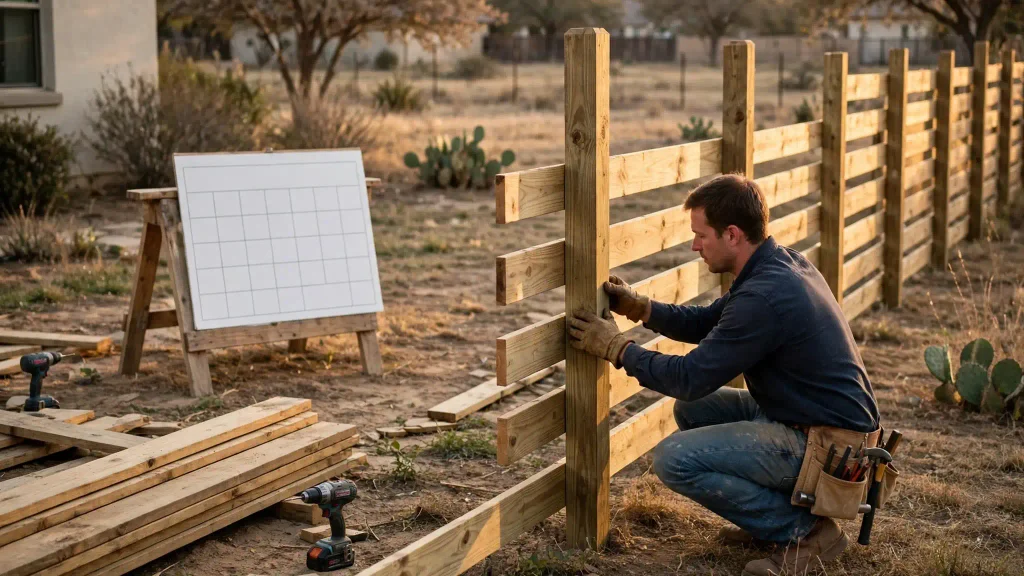
Fees and timing vary by city and by the size of the job, so ask for the current numbers when you apply. Fort Worth publishes a fee schedule and an online tool that estimates permit costs, and its standard residential review typically runs about seven business days. See the Fort Worth permit page for current details. What usually slows a permit down matters more than the fee:
| Job type | What adds time |
|---|---|
| Simple fence | Missing documents or an unclear survey |
| Historic or design district | Extra approvals before the permit can be issued |
| Dallas fence over 9 feet | Board of Adjustment approval and engineer-sealed plans |
A complete application the first time is the best way to keep things moving.
HOA Rules vs City Permits: You Need Both
An HOA can’t override your city’s fence permit, and the city can’t override your HOA, so you need both approvals. HOAs are private groups and can be stricter than the city, setting rules for materials, colors, or gate styles even when your fence meets city code. Get approval in writing before you send anything to the city.
Texas law does limit what HOAs can do. Texas Property Code § 202.023 generally stops them from banning a perimeter fence outright, though they can still regulate the type of fence. Senate Bill 711 (effective September 1, 2025) also lets HOAs prohibit front-yard fencing forward of the front-most building line when recorded covenants support it, enforce 10-foot driveway gate setbacks from laned roadways, and bar fences that obstruct public sidewalks, drainage easements, or platted license areas. Section 202.022 protects qualifying pool enclosures, such as black transparent mesh in a metal frame.
You can read both in Texas Property Code Chapter 202. Read your HOA rules and your deed before you buy materials, because deeds can add limits that neither the city nor the HOA covers.
Special Cases: Pools, Gates, Corners, Walls, Tall Fences
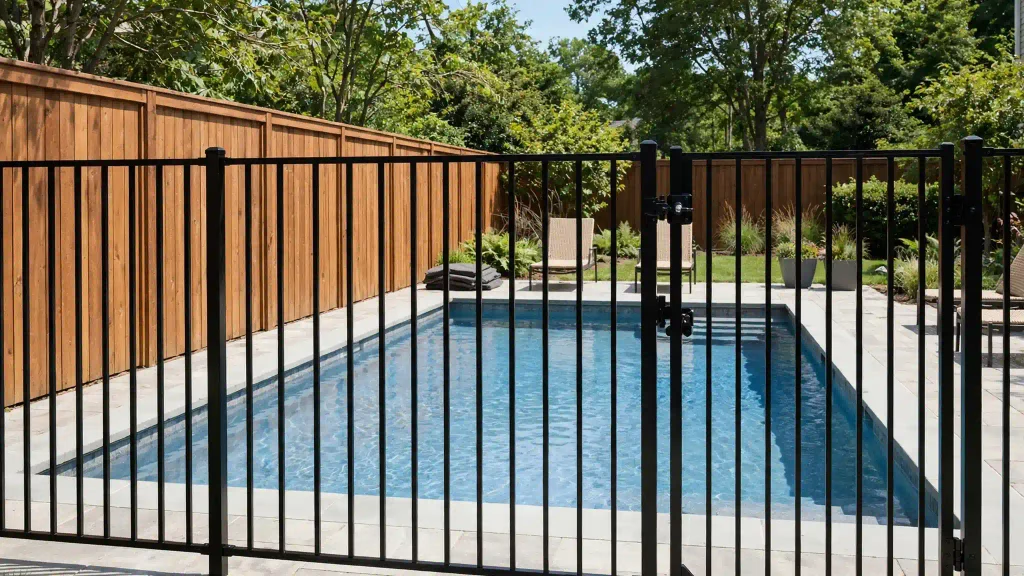
Five special cases add extra permit rules.
- Pool barriers. Pool fences have set rules for height, latches, gaps, and sight lines, and inspectors enforce them. Texas Health and Safety Code Chapter 757 sets a 48-inch minimum height and self-closing, self-latching gates for pools at multiunit rental complexes and HOA-run pools. A private single-family pool falls under your city’s pool barrier rules instead.
- Electric gates. An automatic gate usually involves electrical work, which typically needs its own electrical permit.
- Corner lots. Cities limit fence height near an intersection or driveway so drivers can see cross traffic. The clear zone is often around 20 feet at driveways, but street intersection sight triangles can reach 35 feet in Texas City and 45 feet in Dallas, so flag any corner on your plan.
- Retaining walls and slopes. A fence on a retaining wall or slope can need a building permit or engineering review. Texas City requires a permit for any retaining wall, and Fort Worth requires one for retaining walls over 4 feet.
- Tall fences. A fence above the normal height limit often needs a building permit. In Dallas, anything over 9 feet needs engineer-sealed plans.
Common Mistakes and the Cost of Skipping a Permit
Four mistakes cause most fence permit problems.
- Assuming a 6-foot fence never needs a permit. Cities like Texas City, Grand Prairie, and Irving require a permit for any new fence regardless of height, and front yards, corner lots, and planned districts cap height lower.
- Building over an easement or property line. Confirm your lines with a survey first.
- Skipping pool barrier rules. They set requirements for latches, gaps, and height.
- Forgetting the electric gate permit. Automatic gates usually need their own electrical sign-off.
If you build without a permit, the city can order you to stop work. Depending on the city, you may also pay more for a retroactive permit, have to remove the non-compliant part, or face a fine. Getting the permit first is cheaper every time.
Before You Build Checklist
Run through this list before the crew arrives.
- Verify your property lines.
- Confirm zoning and overlays for your address.
- Check HOA rules and get approvals in writing.
- Decide whether you need a permit and an inspection.
- Prepare the site plan, materials list, and gate specs.
- Submit the form and answer reviewer comments.
- Call Texas811 two business days before digging, then install to plan and book the inspection if needed.
Fence Repair Texas can verify lines, pull a fence permit, and confirm height and code. Call (972) 525-9448 for a free estimate.
Fence Permit FAQs
These are the questions Texas homeowners ask most often about fence permits.
Do I need a permit in Texas City?
Yes, for a new fence, a moved fence, or a fence that changes height. You must register with the city first, and Texas City doesn’t issue fence permits for vacant property. Contact Building Inspections to confirm the form and fee, and request your Texas811 locate before you dig.
Do I need a survey?
Not always. Get one if your property lines are unclear or shared with a neighbor, since it proves where the fence can go. Some cities also ask for a site plan, and Texas City requires a survey stamped within the last 10 years, so check your city’s checklist before you apply.
How much does a fence permit cost?
Fees vary by city and by the value of the work. Fort Worth offers an online tool that estimates permit costs, and other cities publish fee schedules or will quote you by phone. Confirm the exact fee before you apply, or ask Fence Repair Texas to give it to you during your estimate.
Do I need a permit to repair a fence?
A full replacement often needs one, but a small repair may not. Irving, for example, treats swapping pickets, rails, or posts as maintenance, while replacing whole sections needs a permit. Texas City treats work as a repair only when the fence isn’t new, moved, or changing height. Call your city’s permit office and describe exactly what you plan to fix.
Can an HOA approve a fence the city would not allow?
No. An HOA can’t let you break city code, so you need both approvals before you build, or you may have to change the fence later.
What happens if my fence permit is denied?
Fix the plan as the city asks, then apply again. The city will list the problems, such as height, location, or missing documents. Resubmit the corrected plan and answer any new reviewer questions. A denial isn’t the end if you can meet the rules.
In a Nutshell
Check your city first, because Texas has no statewide fence permit. Confirm the height limit and permit trigger for your yard, file a clear plan, and book the inspection. Call Fence Repair Texas at (972) 525-9448 for a free estimate today.