Free on-site estimatesServing Austin, Dallas, Houston, Fort Worth & San AntonioContact our fence specialists

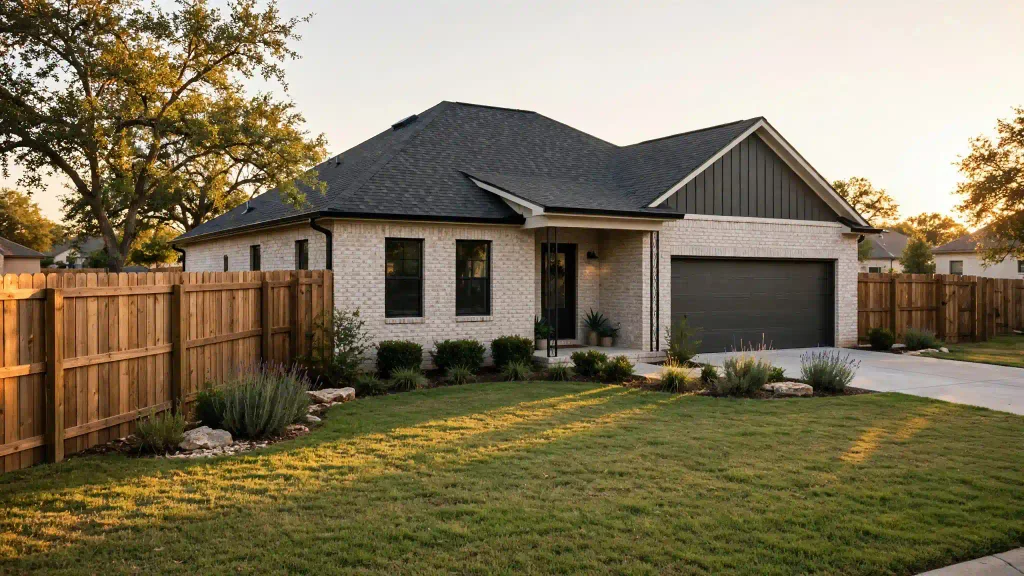
The 6 foot wood privacy fence cost in Texas can look simple on paper, but the final price depends on more than the length of your fence. Wood type, ground conditions, fence style, labor, and local requirements can all change what you pay. For a standard mid-tier installation, budget $30 to $60 per linear foot as a North Texas planning range, not a statewide average. Basic pressure-treated pine may cost less, while premium cedar, redwood, and custom designs can push the price higher.
So, what should you expect your 6 foot wood privacy fence cost to be for your yard? This guide breaks down costs by fence length, wood type, and style, along with the extra expenses that can affect your budget. We’ll also cover Texas-specific conditions, permits, DIY installation, and ways to compare contractor quotes before making a decision. Use this guide to plan your 6 foot wood privacy fence cost with confidence.
Wood Privacy Fence (6-Foot) Budget Breakdown & Pricing
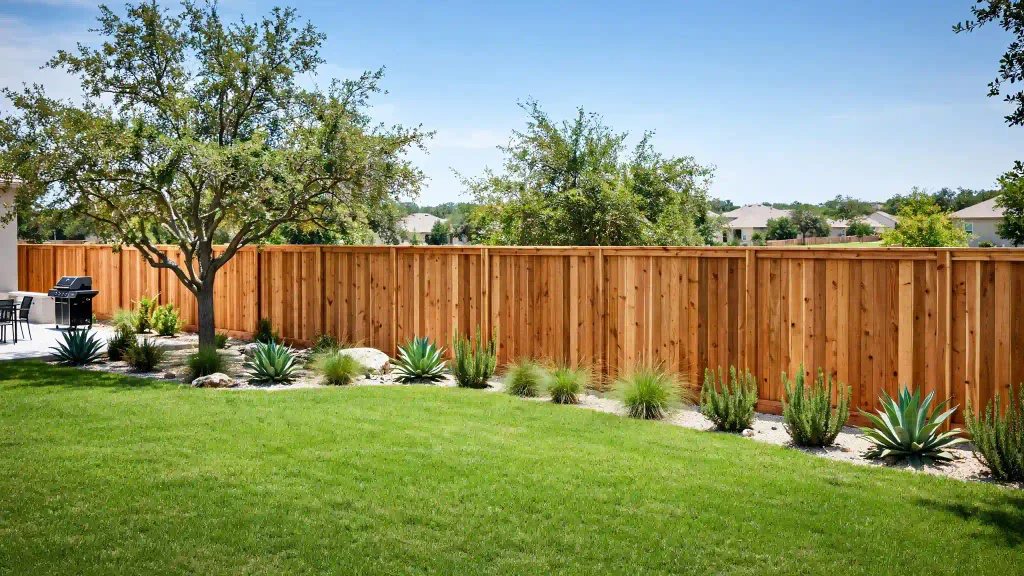
The 6 foot wood privacy fence cost figures here reflect standard mid-tier installations. Entry-level pine can fall under this window, while premium woods and custom builds can rise above it.
| Item | Typical Range or Planning Guidance |
| Installed cost per linear foot | $30 to $60 planning allowance |
| Labor per linear foot | $8 to $20 local guide estimate |
| Typical 150-foot total | $4,500 to $9,000 before extras |
| Staining and sealing | Inspect annually; follow product instructions |
| Cedar lifespan | Depends on grade, exposure, posts, and maintenance |
Defender Fence Company’s Fort Worth cost guide lists standard cedar at $30 to $55 installed, with cedar board-on-board at $35 to $60. Those are contractor-published estimates. They work well for budgeting, but they aren’t guaranteed bids, and they certainly aren’t statewide averages.
Average 6 Foot Wood Privacy Fence Cost in Texas
The $30 to $60 per linear foot range is best understood as a North Texas metro planning allowance, not a statewide statistic. Defender lists budget pressure-treated pine at $15 to $34 per foot and local labor at $8 to $20. Each of those numbers describes a different specification and a different set of job conditions, which means you can’t simply stack their endpoints and expect a reliable total.
Your 6 foot wood privacy fence cost moves with the contractor, the specification, site access, and the region itself. A fixed statewide adjustment won’t solve that, so local quotes are the better route. Even guides written for North Texas show noticeable gaps in materials, installation scope, and project assumptions.
Cost by Fence Length
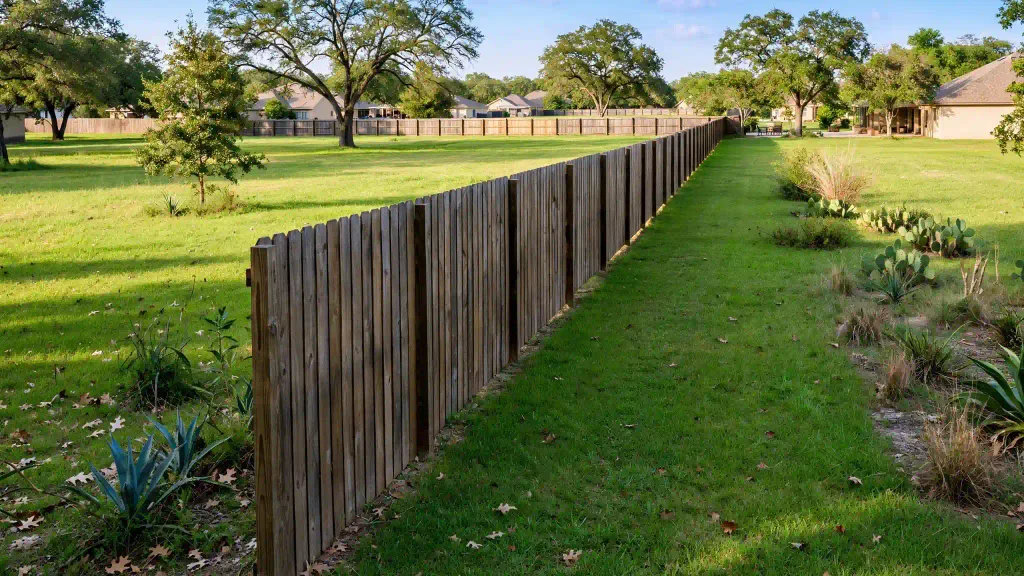
Using the $30 to $60 planning allowance, the 6 foot wood privacy fence cost for a 50-foot fence runs $1,500 to $3,000. A 200-foot fence lands between $6,000 and $12,000.
| Fence Length | Estimated Installed Total |
| 50 feet | $1,500 to $3,000 |
| 100 feet | $3,000 to $6,000 |
| 150 feet | $4,500 to $9,000 |
| 200 feet | $6,000 to $12,000 |
Every 6 foot wood privacy fence cost example above is plain multiplication, length times $30 to $60, so gates, removal, staining, and any applicable fees sit outside the totals.. If you’d like a figure tied to a specific wood, swap in that wood’s installed rate. A 100-foot standard cedar fence at $30 to $55 per foot, for example, comes to $3,000 to $5,500 before extras.
Wood Types Compared by Price and Lifespan
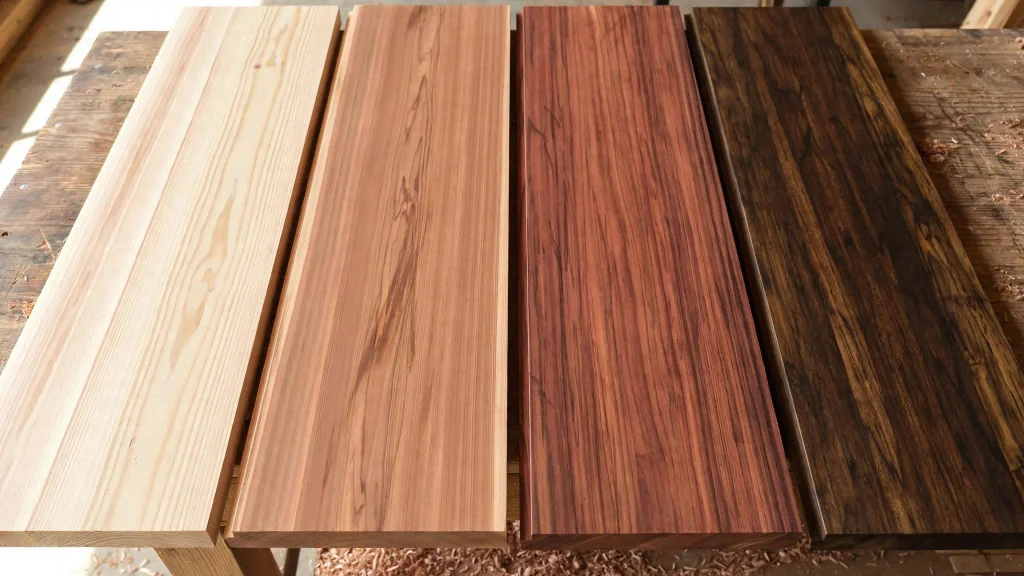
A fair 6 foot wood privacy fence cost comparison depends on keeping the details identical: same height, same board grade, same post system, same scope of work. The local ranges in the table come from Defender’s Fort Worth guide.
| Wood Type | Installed Cost per Linear Foot | Lifespan Considerations | Upkeep |
| Pressure-treated pine | $15 to $34 | Treatment and exposure dependent | Inspect and refinish as needed |
| Standard cedar | $30 to $55 | Grade and installation dependent | Inspect and refinish as needed |
| Redwood | $55 to $85 | Grade and exposure dependent | Inspect and refinish as needed |
| Tropical hardwoods | Obtain a species-specific quote | Species and installation dependent | Follow supplier instructions |
Pressure-treated pine is a different product from untreated pine, and it shouldn’t be priced or specified as if the two were interchangeable. Have your contractor name the treatment rating for each component, especially the posts that will sit in the soil. Any lifespan promise that comes without its installation, maintenance, and exposure assumptions deserves a second look.
Cedar calls for the same attention to detail. Get the species and grade in writing, because a quote for #1 Western Red Cedar, another for #2 rustic boards, and a third for Japanese cedar are three different products, even when they read alike. Thickness, knot limits, post materials, and warranties should all sit next to the price when you compare.
When the cost of premium wood gives you pause, ask for vinyl/PVC and composite quotes as well. Look at the full installed scope and the maintenance you can realistically expect. The lowest 6 foot wood privacy fence cost on paper doesn’t always turn out to be the best long-term value.
Fence Styles That Change the Price
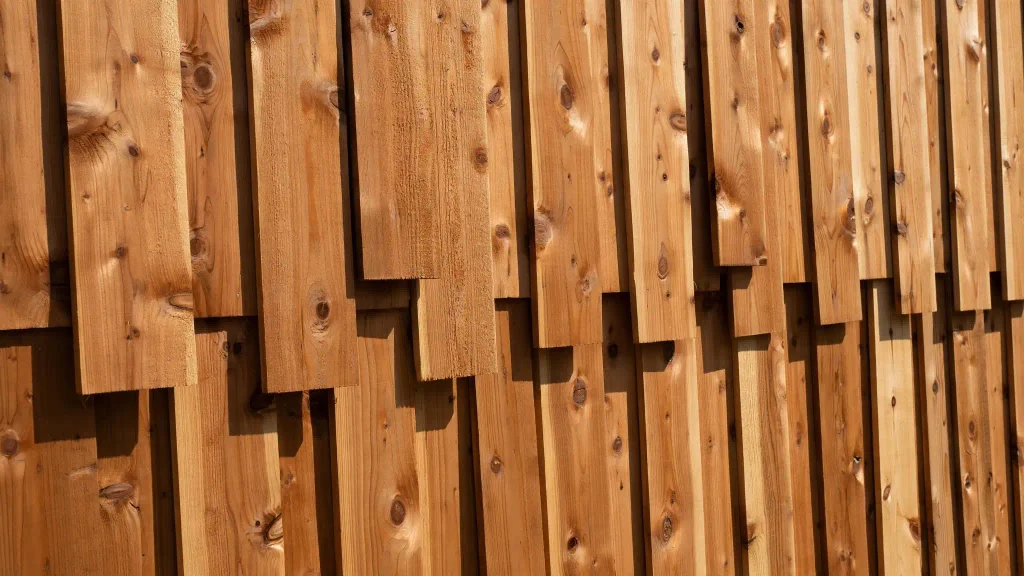
Board-on-board construction overlaps the pickets, so it offers more privacy than a basic side-by-side layout. Defender lists cedar board-on-board at $35 to $60 per foot installed. Tongue-and-groove and custom profiles are quoted separately, since the materials, framing, and labor all work out differently.
Side-by-side fencing uses one layer of pickets, whereas shadowbox alternates boards across the rails. Not every style sold as a privacy fence is completely opaque. Ask contractors to describe the gaps you should expect and how much will be visible from an angle.
eight, posts, rails, and finish the same across quotes so your 6 foot wood privacy fence cost is easy to compare. A lower price on one style may just reflect a different overall specification.
What Changes Your 6 Foot Wood Privacy Fence Cost
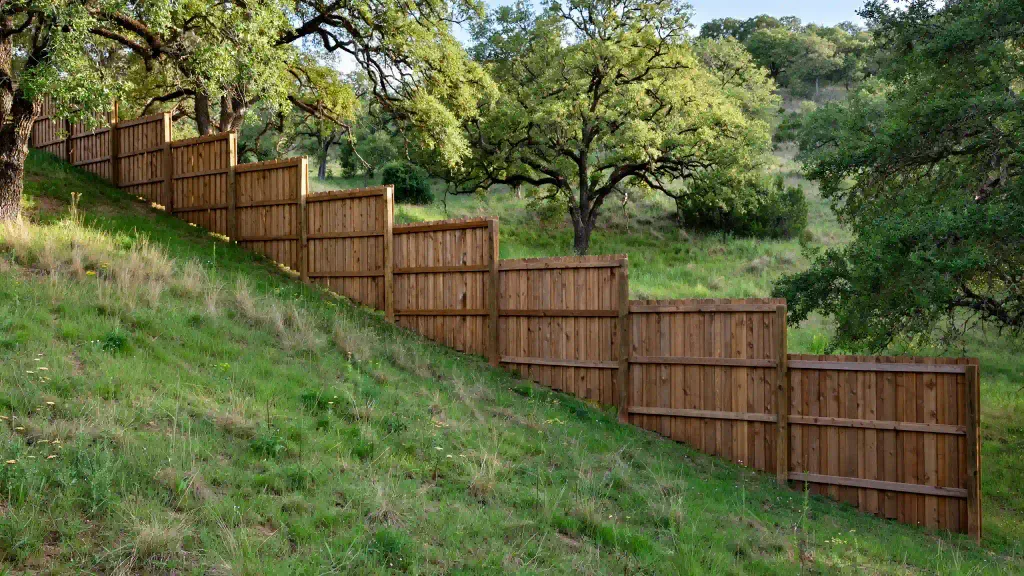
Once the wood is settled, your 6 foot wood privacy fence cost is shaped by design, ground conditions, post systems, labor, and local rules. Match specifications across bids instead of choosing on the lowest per-foot figure alone.
Height and Custom Work
Added height, decorative caps, thicker pickets, and custom trim all change the material and labor requirements. Request a separate price for each upgrade, and don’t settle for one total with no explanation behind it.
Galvanized steel posts are another option to bring up. Ask the contractor about post size, spacing, coating, and connections, and find out how the price differs from the wood-post version of the same fence.
Ground and Access
Slopes, rock, saturated ground, and roots can all raise your 6 foot wood privacy fence cost, so tell every contractor about them, along with any spot where equipment will struggle to reach, before they give you a number. It also helps to ask whether the fence will follow the slope, step down in sections, or need extra site work.
Difficult soil is worth putting on paper. Get the proposed footing dimensions and any exclusions in writing, which makes bids easier to compare and shows you where extra charges might appear.
Local Labor Rates
Defender’s Fort Worth guide puts labor at $8 to $20 per linear foot, depending on complexity. Installed prices and labor-only prices describe different job mixes, so adding their minimums or maximums together will mislead you.
Find out what each contractor’s labor figure actually includes. Layout, digging, concrete placement, assembly, gate installation, and cleanup can all be in or out. A low labor number is only useful when the scope behind it is clear.
Permits and HOA Rules
Fort Worth’s official guidance restricts front-yard fence height and design, so a solid privacy fence shouldn’t be assumed acceptable there. The city’s published materials also contradict each other on the solid-fence permit threshold. One source says above seven feet, and another says above six. Confirm the current requirements for your own address before you build.
Corner visibility, historic districts, drainage, floodplain restrictions, and HOA approval are worth asking about as well. A permit exemption doesn’t automatically make every design acceptable.For questions about boundary responsibilities, Texas A&M AgriLife’s Owning Your Piece of Texas guide is a solid reference, and Chapter 6 covers fence law.
Additional Costs to Plan For
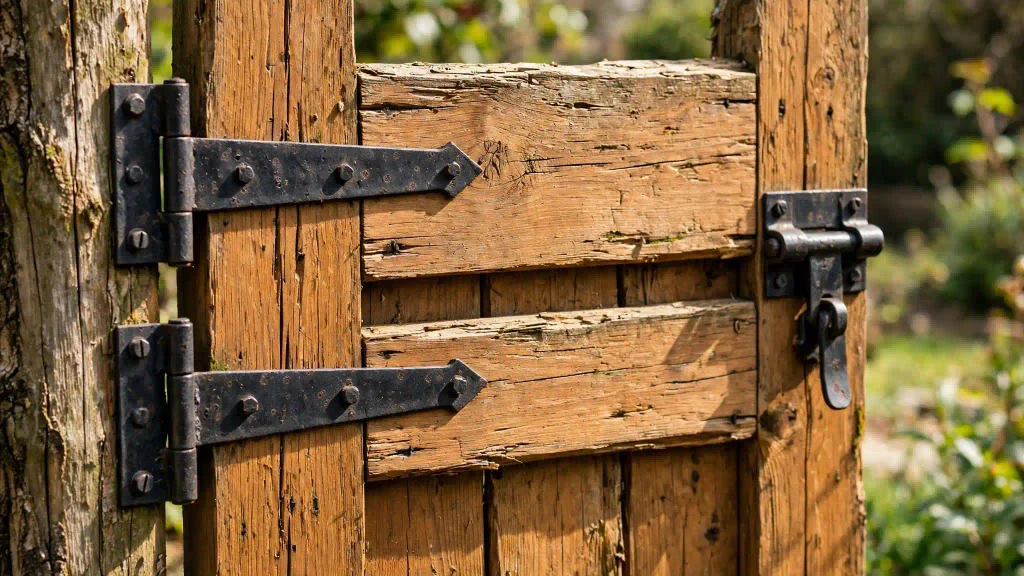
Unless the quote says otherwise, treat gates, existing-fence removal, staining, and permits as separate line items on top of your base 6 foot wood privacy fence cost. Defender lists removal and disposal at $3 to $8 per linear foot. Ask whether the price also covers hauling, cleanup, gate frames, hinges, and latches.
A rot board, decorative trim, upgraded posts, or deeper footings can all move the quoted total. An itemized price is the safest way to know what’s covered, since you can’t assume every optional feature is folded into the base rate.
Be careful about counting the same cost twice. Standard post-setting concrete is already part of an installed quote when it’s specified, so it shouldn’t be added again. Concrete bought for a DIY project belongs in a separate materials budget. And if the removal price already covers disposal, there’s no reason to add a disposal charge on top.
Texas City and Gulf Coast Cost Factors
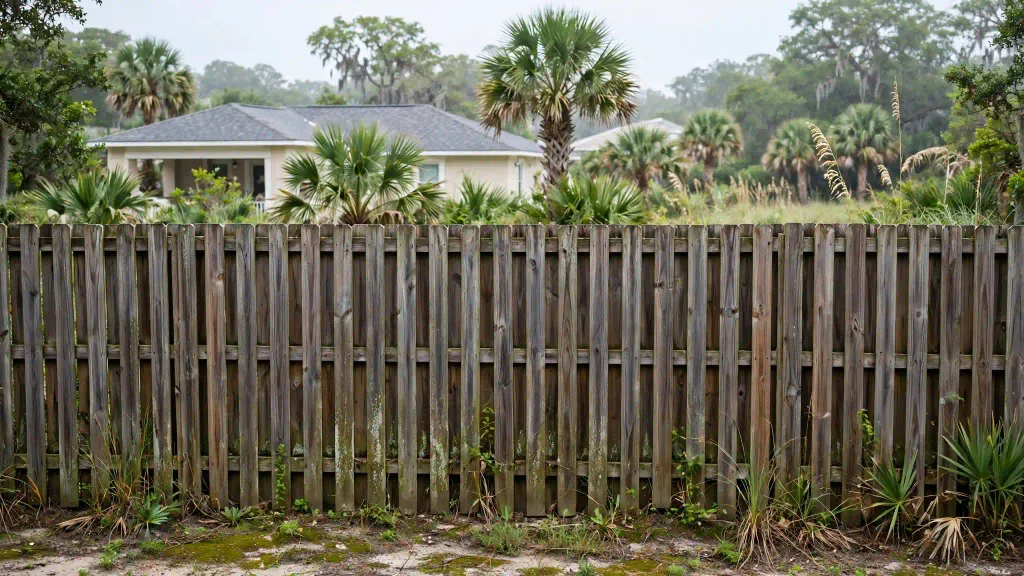
In this section, Texas City refers to the coastal municipality in Galveston County, not to Texas cities in general. Treat it as a separate, location-specific example, and don’t assume that North Texas pricing and permitting carry over.
Texas City requires a fence permit for new installations, relocations, and height changes. Its guidelines request a property survey dated within the last ten years and draw a line between repairs that leave the fence unchanged and new work. Before finalizing your specifications, check the structural and wind-design requirements with the city.
For coastal quotes, ask each contractor to explain the proposed posts, footing dimensions, fasteners, connections, and corrosion protection. Compare those specifications side by side, and skip the arbitrary coastal surcharge.
Make sure any contractor you contact genuinely serves Texas City, too. The phone number at the end of this guide shouldn’t be taken as proof of coastal service coverage.
DIY or Hire a Professional
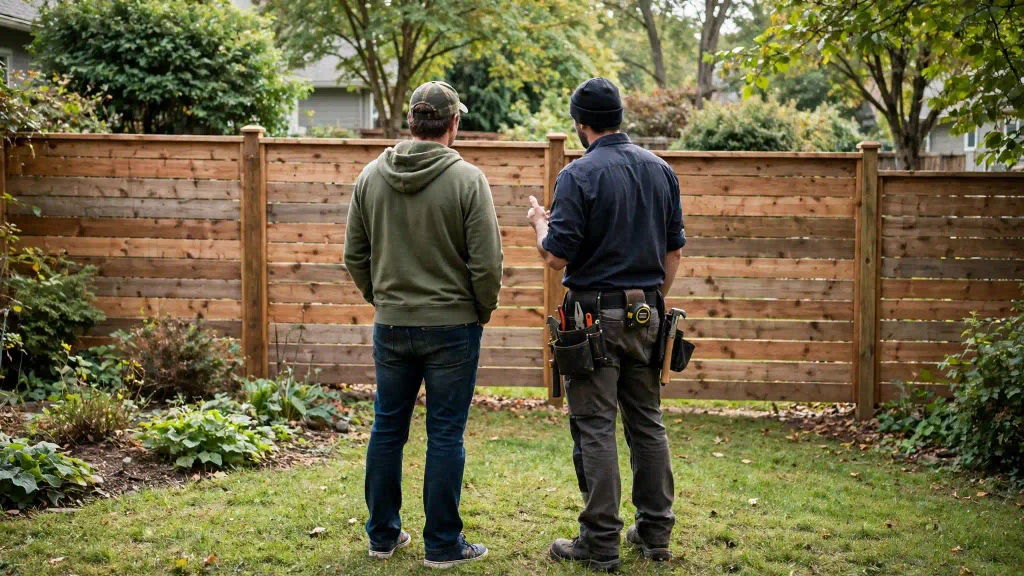
Going the DIY route can lower your 6 foot wood privacy fence cost by cutting labor, but layout, digging, code checks, and construction all land on you. Weigh the complete DIY budget for materials and equipment against a professional quote for the same work.
DIY Installation
A realistic budget covers materials, delivery, tools, equipment rental, disposal, and mistakes, not only pickets. Secure any required approvals and confirm your boundaries before work begins.
Texas811 needs to hear from you at least two working days before you dig, and weekends and holidays don’t count toward that. Wait until the affected utilities have responded before excavating, and follow the instructions attached to your locate request. The rule applies even in your own backyard.
Utility markings don’t establish property boundaries, either. Ask whether private underground lines need separate locating, and keep your locate-ticket information close at hand while the project is underway.
Professional Installation
Ask for post specifications, whether wood or galvanized steel, along with a footing design that fits your site. North Texas guidance describes embedment of around 24 to 36 inches, though that isn’t a universal engineering requirement. What matters is the contractor’s proposed dimensions for your fence and your lot.
Post spacing, rails, connections, cleanup, warranty, and schedule should all be confirmed in writing. Find out, too, who will arrange utility notification before the digging starts. Texas811 states that a hired contractor is responsible for contacting 811 two business days before excavation.
How to Budget and Get a Clear Quote
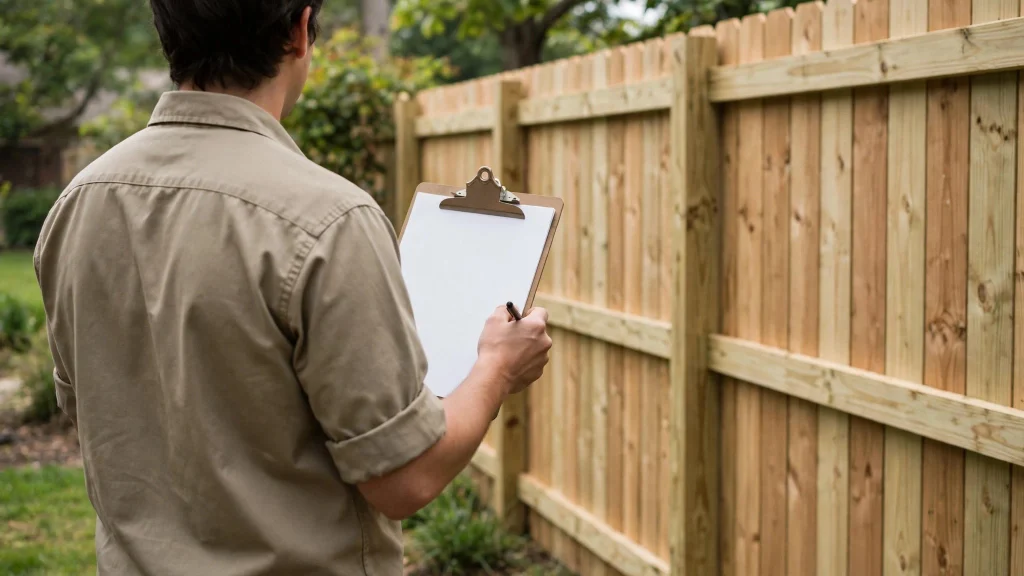
To estimate your 6 foot wood privacy fence cost, begin by measuring the proposed fence line and noting where the gates and corners will go. From there, gather at least three itemized written quotes. Your property survey is the right tool for discussing boundaries, and a phone GPS measurement isn’t a substitute for it.
Ask about local city registration where it applies, along with insurance and recent references. When you line the bids up, check that wood grade, treatment, posts, footings, gates, removal, and finish specifications all match.
Leave room in the budget for excluded work and unforeseen conditions. Once you’re ready, call Fence Repair Texas at (972) 525-9448 to request an on-site estimate and confirm current pricing, availability, and service area.
Frequently Asked Questions
These answers address the questions homeowners raise most often about estimating, installation, permitting, and maintenance before choosing a contractor.
What’s the cheapest wood for a privacy fence in Fort Worth?
When building a wood privacy fence in Fort Worth, pressure-treated pine (along with budget spruce or whitewood options) is the cheapest wood choice upfront. Pine typically costs noticeably less than Western Red Cedar, making it the go-to value pick if you want to keep initial material or installation costs as low as possible. It is chemically treated to resist rot and insects, which helps it survive North Texas weather, though it does tend to warp or twist more than cedar over time and requires regular staining to stretch its lifespan.
Do I need a permit to install a fence in Fort Worth?
In Fort Worth, you generally do not need a permit for a standard residential fence, provided it stays within normal height limits.
A building permit from the city is only required if your fence exceeds standard heights—specifically, for solid fences taller than 7 feet or open-design fences taller than 8 feet. You will also need a permit if your property is located within a designated historic district or if you are building in certain special overlay zones.
Even if a permit isn’t required for a standard backyard fence, you must still follow local zoning rules:
Front Yards: Fences in the front yard or projected front yard are capped at a maximum height of 4 feet and must be of an open design (at least 50% open, like wrought iron or picket styles). Chain-link fences are prohibited in front yards.
Corner Lots: Strict visibility triangles apply near intersections so drivers can see oncoming traffic, meaning tall fences cannot block sightlines.
HOA Rules: If you live in a community with a Homeowners Association, you will need to check their separate guidelines and secure their approval before building, as they often enforce strict material and style rules independent of city code.
How long does installation take?
For a standard residential yard, professional installation of a 6-foot wood privacy fence typically takes between two to three days from start to finish. The first day is usually spent mapping out the line, calling 811 for utility marks, and digging and setting the wood posts in concrete so they stay sturdy. Once those posts have time to cure and lock into place, the crew knocks out the rest of the build quickly by putting up the horizontal rails, nailing or screwing in the pickets board by board, and hanging any gates. Keep in mind that bad weather, tough rocky soil, or having an old fence that needs to be hauled away first can add an extra day or two to the total project timeline.
How often should I stain or seal my fence?
You should generally stain or seal your wood privacy fence every two to three years to keep it protected against the harsh Texas sun and weather. Intense heat, UV rays, and rain can quickly dry out the wood, causing it to fade, crack, or warp if it isn’t properly maintained. Applying a quality sealer or stain replenishes the wood’s natural oils and creates a protective barrier against moisture. A simple way to check if it’s time for a fresh coat is the water drop test—if water soaks right into the pickets instead of beading up on top, your fence is ready for a new coat.
Can I share the cost with my neighbor?
Texas law doesn’t force neighbors to split the cost of a boundary fence, meaning whoever decides to build the new fence is usually responsible for footing the bill. That said, there is nothing stopping you from having a friendly conversation with your neighbor to see if they are willing to chip in, especially if the fence sits right on the shared property line. If they agree to share the expense, always get it in writing with a signed agreement that clearly details who pays what and how future repairs will be handled.
In a Nutshell
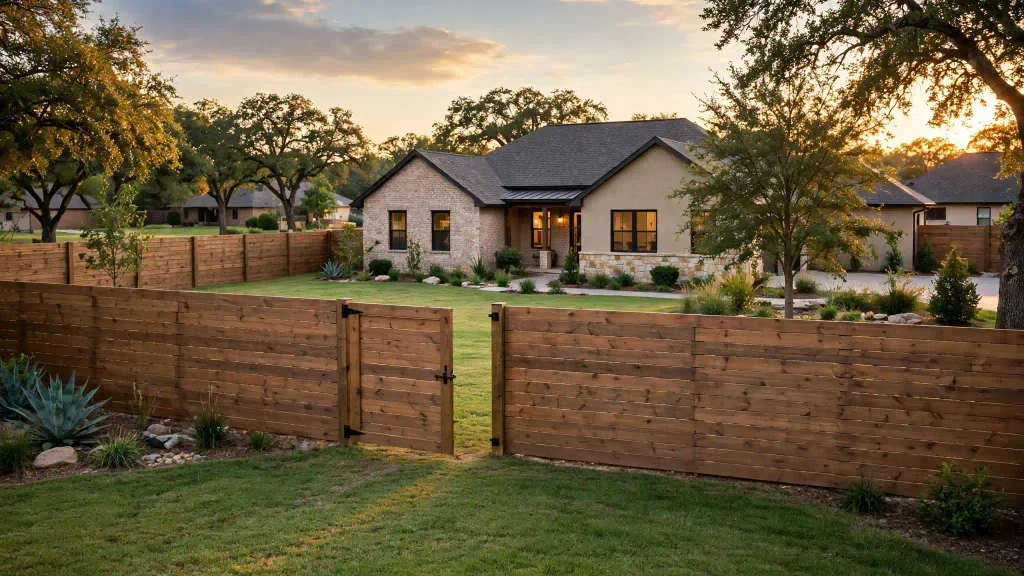
For standard mid-tier North Texas work, plan your 6 foot wood privacy fence cost at $30 to $60 per linear foot, then collect local, itemized quotes. Wood grade, style, posts, gates, removal, and site conditions all shift the final total.
To get an estimate, call Fence Repair Texas at (972) 525-9448 and confirm current availability and service area.